
Fujiiso
Room Types
3
Established
1798
Water
Hot Spring
Private
In-Room Onsen
About
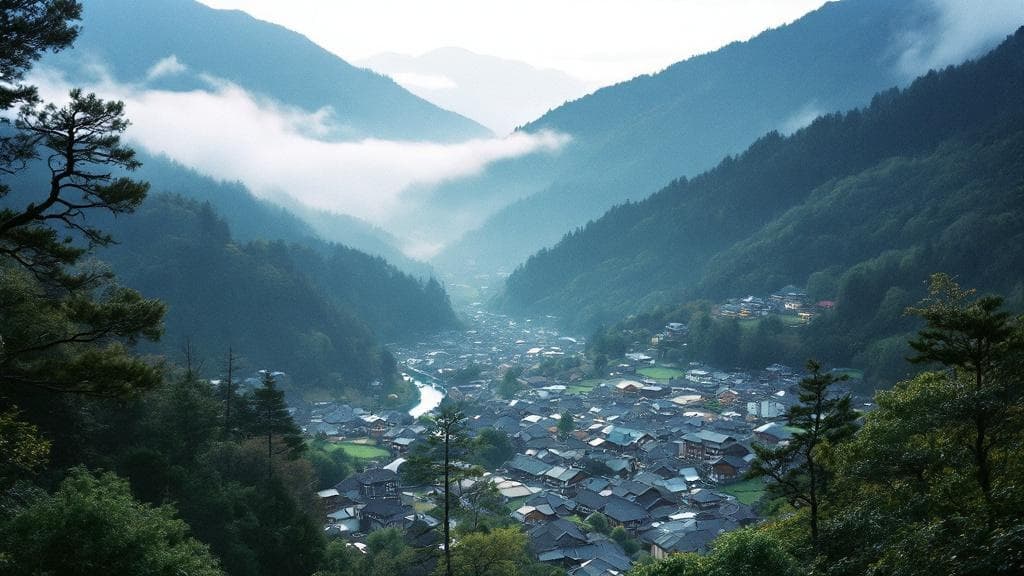
Fujiiso is a prestigious ryokan perched on the edge of the Matsukawa Valley gorge in Yamada Onsen, Nagano Prefecture, where literary giants like Mori Ogai and Yosano Akiko once sought inspiration. With over 200 years of hot spring heritage, the inn features elegant sukiya-style architecture with rooms that open directly onto dramatic canyon views, fragrant hinoki cypress baths renewed every three years, and celebrated cuisine centered on the famous Ponpon Nabe oil fondue. This is a ryokan where nature, literary history, and refined hospitality converge.
Ideal For
Key Experiences
Gallery
Ready to experience Fujiiso?
See Prices on AgodaRoom Types
Standard Japanese Room
Traditional sukiya-style rooms with low-layered design, tatami flooring, and floor-to-ceiling windows overlooking the canyon. The architecture creates a seamless connection with the natural landscape outside.
- Tatami flooring
- Futon bedding
- Canyon views
- Tea set
- Yukata robes
From ¥35,000/night
Western-Japanese Suite
A harmonious blend of Western comfort and Japanese aesthetics, featuring both bed and tatami areas with stunning valley views.
- Western beds and tatami area
- Canyon views
- Sitting room
- Premium amenities
- Private bathroom
From ¥55,000/night
Premium Canyon View Room
Larger rooms positioned at the edge of the gorge with expansive windows that frame the valley like a living painting. Features both Japanese sitting area and modern amenities.
- Panoramic canyon views
- Tatami and sitting area
- Premium tea service
- Yukata and tanzen robes
- Private bathroom
From ¥50,000/night
Onsen & Baths
Spring Type
Sodium-calcium sulfate and chloride hot spring
Private Baths
- Reservable private bath
Indoor Baths
- Men's hinoki cypress bath (renewed every 3 years)
- Women's elegant granite bath
Outdoor Baths
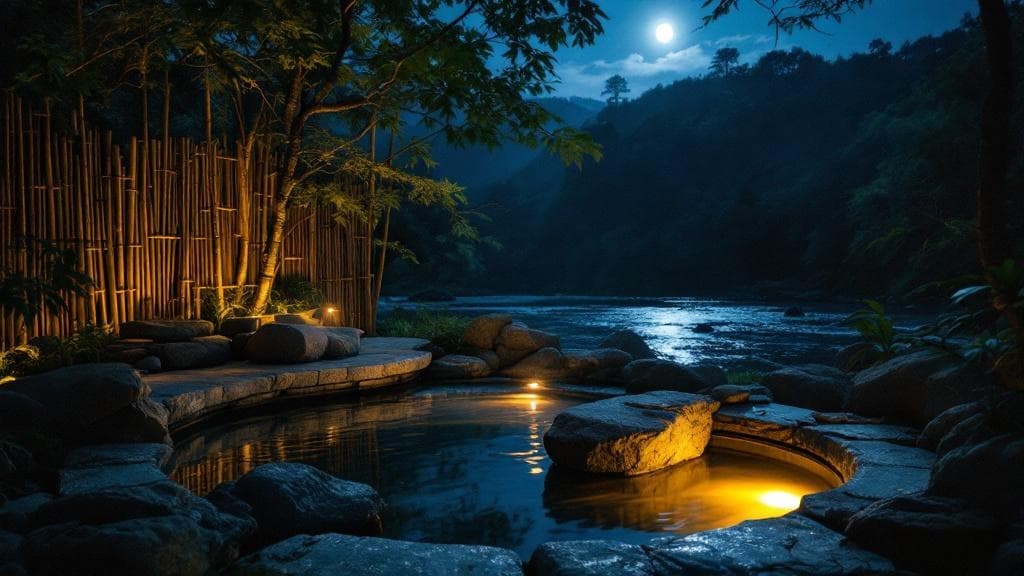
- Seasonal open-air bath with canyon views (partition doors open in warm weather)
- Wash thoroughly before entering the bath
- Do not bring towels into the bath water
- The men's bath features hinoki cypress and the women's bath features granite — enjoy the distinct atmospheres
- Be mindful that the outdoor bath section may be seasonal
- Respect quiet hours during early morning and evening bathing
Dining
Main dining room — kaiseki dinner and traditional breakfast
Private dining rooms available for special occasions
Specialty Dishes
Dietary Options
At least 3 days before arrival
Best Times to Visit
Spring (Mar–May)
- Fresh green canyon scenery
- Mountain vegetable (sansai) season at its peak
- Pleasant hiking weather along the valley
- Some trails may be muddy from snowmelt
- Book early for Golden Week
Summer (Jun–Aug)
- Cool mountain retreat from lowland heat
- Open-air bath season with partition doors open
- Lush verdant canyon views
- Higher humidity in July-August
- Popular with domestic tourists during Obon
Autumn (Sep–Nov)
- Spectacular fall foliage along the Matsukawa Valley
- Mushroom and chestnut seasonal dishes
- Peak photography season for canyon views
- October-November is peak season — book months in advance
- Temperatures drop significantly at night
Winter (Dec–Feb)
- Snow Monkey season at nearby Jigokudani Park
- Yukimi-buro (snow-viewing bath) experience
- Hearty winter kaiseki
- Some outdoor facilities may be limited
- Winter driving requires chains or snow tires
- Shuttle schedule may vary
Local Knowledge
Insider Tips
Hidden Gems
- The seasonal transition between indoor and outdoor baths when partition doors open
- Early morning mist rising from the Matsukawa Valley is a photographer's dream
The inn's connection to literary history — ask the staff about which rooms famous authors preferred
Yamada Onsen village itself is a quiet, undiscovered gem compared to nearby Shibu Onsen
Must-Try Experiences
- The signature Ponpon Nabe oil fondue dinner featuring local mountain produce
- Morning bath in the hinoki cypress tub with canyon views
Walking the trails along the Matsukawa Valley gorge
Experience Tips
- Ask about the literary history of the inn and which rooms famous authors stayed in
- Time your bath to catch the canyon views during golden hour
Try both the indoor hinoki bath and the outdoor bath for different experiences
Take a morning walk along the Matsukawa Valley trail before breakfast
Cultural Notes
- Fujiiso has been a retreat for Japanese literary figures since the Edo period
- The sukiya-style architecture represents the pinnacle of traditional Japanese residential design
Yamada Onsen preserves the quiet atmosphere of a traditional onsen village
The inn's philosophy centers on harmony between the built environment and the natural canyon landscape
Ready to experience it yourself?
Check Availability & Book on AgodaPractical Information
Stay Details
Recommended Stay
1-2 nights
Getting There
- Hokuriku Shinkansen to Nagano Station, then Nagano Electric Railway to Suzaka Station
- Complimentary shuttle from Suzaka Station (departs 14:50, return at 10:00 — reservation required 1 day in advance)
- Taxi from Suzaka Station (approximately 20 minutes)
- Bus from Suzaka Station to Yamada Onsen bus stop (approximately 45 minutes)
- By car: accessible from Joshinetsu Expressway via Suzaka-Nagano-Higashi IC
Before You Go
Dietary Options
At least 3 days before arrival
Booking Tips
- Reserve the complimentary shuttle at least 1 day before arrival
- Book well in advance for autumn foliage season (October-November)
- Request a room overlooking the deepest part of the canyon for the best views
- Mention any interest in literary history for personalized recommendations
Preparation Tips
- Combine with a visit to the nearby Jigokudani Snow Monkey Park
- Bring comfortable walking shoes for canyon trail walks
- Pack light — yukata robes provided
- Check the seasonal menu in advance if you have dietary preferences
Quick Facts
Nearest Station
Suzaka Station (Nagano Electric Railway)
History
Yamada Onsen was originally discovered by the warlord Fukushima Masanori during the Sengoku period and officially opened in 1798 (the 10th year of Kansei). Fujiiso has been beloved by some of Japan's most celebrated literary figures including Mori Ogai, Yosano Tekkan and Akiko, Kikuchi Kan, and Aizu Yaichi. The hot spring has been welling up for more than 210 years, making it one of Nagano's most historically significant onsen retreats.
Related Articles
Similar Ryokans
You might also enjoy these traditional Japanese inns


