Top-Rated Ryokans in Kyoto
Hand-picked traditional inns with the highest guest ratings


Where to Stay in Kyoto
Popular areas for ryokan stays
Kyoto City
Nearby: Kiyomizu-dera Temple · Nijo Castle · Arashiyama Bamboo Grove
Search Kyoto on AgodaUji
Nearby: Byodoin Temple · Tale of Genji Museum · Traditional tea houses
Search Uji on AgodaArashiyama
Nearby: Tenryu-ji Temple · Monkey Park · Sagano Scenic Railway
Search Kyoto on AgodaFushimi
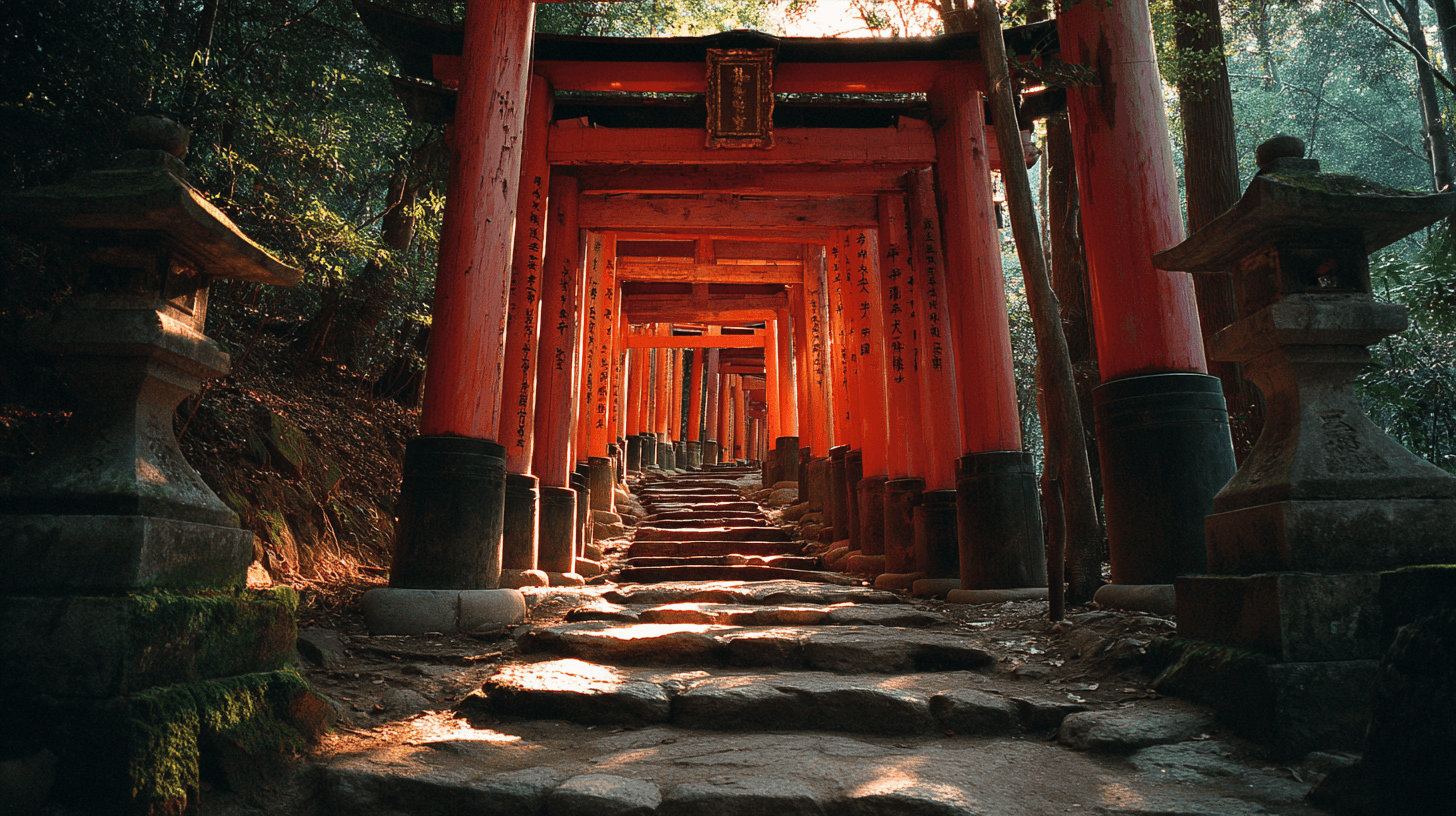
Nearby: Fushimi Inari Taisha · Gekkeikan Sake Museum · Fushimi Port Park
Search Kyoto on AgodaMiyazu
Nearby: Amanohashidate · Kasamatsu Park · Nariai-ji Temple
Search Miyazu on AgodaCompare Ryokans in Kyoto
Curated lists to help you choose the right ryokan
Best Time to Visit Kyoto
What to expect throughout the year
Spring (March - May)
Mild and comfortable (10°C to 21°C)
- ·Cherry blossom viewing
- ·Temple hopping
- ·Garden tours
Events: Miyako Odori, Aoi Matsuri, Cherry blossom illuminations
Summer (June - August)
Hot and humid (24°C to 32°C)
- ·Evening temple visits
- ·River dining
- ·Traditional festivals
Events: Gion Matsuri, Daimonji Gozan Fire Festival, Tanabata festivals
Autumn (September - November)
Cool and pleasant (14°C to 23°C)
- ·Fall foliage viewing
- ·Temple gardens
- ·Tea ceremonies
Events: Jidai Matsuri, Autumn illuminations, Cultural performances
Winter (December - February)
Cold with occasional snow (4°C to 10°C)
- ·Temple light-ups
- ·Hot spring visits
- ·Traditional crafts
Events: Hanatoro light festivals, New Year celebrations, Plum blossom viewing
Frequently Asked Questions
What's the best time to visit Kyoto?
Spring (March-April) for cherry blossoms and autumn (November) for fall colors are the most popular times. However, these seasons are also the busiest. May and October offer comfortable weather with fewer crowds. Winter can be cold but offers unique illuminations and occasional snow scenes.
What are the must-try local foods?
Try Kyoto-style kaiseki cuisine, yudofu (hot pot with tofu), traditional sweets (wagashi), matcha green tea, and local sake. The Nishiki Market is excellent for sampling local specialties. Many temples also offer shojin ryori (Buddhist vegetarian cuisine).
How do I get around Kyoto?
Kyoto has an extensive bus network and two subway lines. Many attractions are also accessible by bicycle. For temples in the outskirts, consider using buses or taxis. The city is relatively flat and walkable in the central areas.
Which temples should I prioritize visiting?
Must-visit temples include Kinkaku-ji (Golden Pavilion), Kiyomizu-dera, Ryoan-ji (famous rock garden), and Fushimi Inari Shrine. Consider visiting lesser-known temples early morning or evening to avoid crowds. Many temples offer special night illuminations during spring and autumn.
Related Articles
Plan Your Ryokan Stay
Ready to experience Kyoto?
Browse our full collection of traditional ryokans or check live availability and prices directly.