What is a Ryokan?
A ryokan (旅館) is a traditional Japanese inn — a place where hospitality, architecture, cuisine, and bathing culture come together in one deeply Japanese experience. Staying at a ryokan isn't just accommodation; it's a window into centuries of Japanese culture and the art of omotenashi (wholehearted hospitality).
The Defining Features of a Ryokan
What separates a ryokan from a regular hotel comes down to a handful of core elements, each rooted in tradition:
Tatami Rooms
Rooms are floored with woven rush tatami mats. Futon bedding is laid directly on the tatami each evening and stored away each morning. Shoes are never worn inside.
Onsen or Ofuro
Most ryokans feature natural hot spring baths (onsen) or traditional Japanese baths (ofuro). Communal baths and private in-room baths are both common.
Kaiseki Dining
Meals are a highlight — elaborate multi-course kaiseki dinners featuring seasonal, local ingredients, served in your room or a dedicated dining room.
Yukata & Amenities
Guests receive a yukata (casual cotton kimono) to wear throughout the inn. All toiletries, green tea, and seasonal sweets are provided.
Personalized Service
A dedicated nakai-san (attendant) typically serves your meals and attends to your needs. The staff-to-guest ratio is far higher than standard hotels.
Japanese Architecture
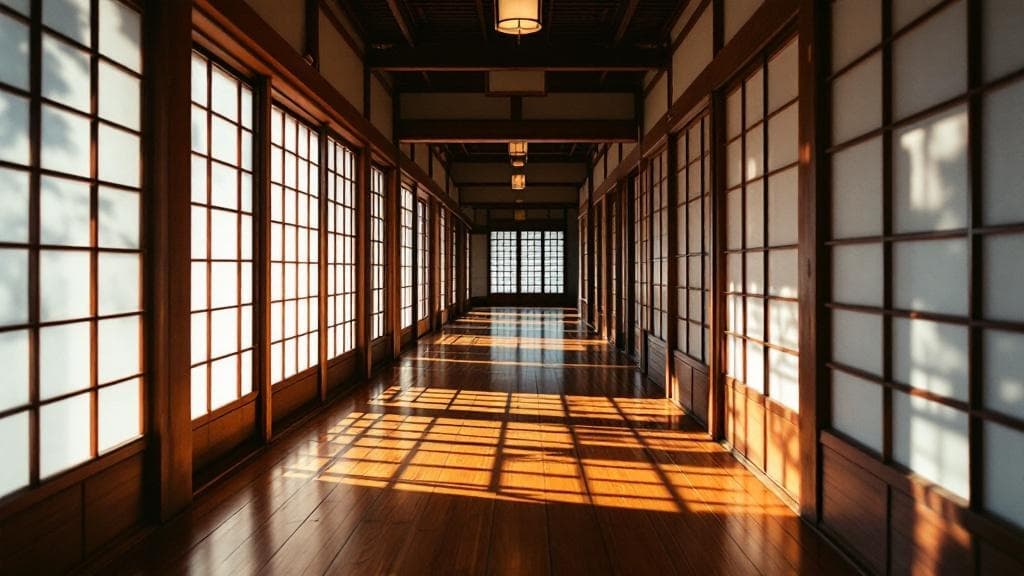
Traditional shoji paper screens, wooden beams, zen gardens, and seasonal flower arrangements (ikebana) define the aesthetic throughout the property.
Types of Ryokan
Not all ryokans are alike. Here are the main categories you'll encounter:
Onsen Ryokan
The most iconic type — built around natural hot spring baths. Found in volcanic regions like Hakone, Beppu, Kinosaki, and Nikko. The onsen is the main attraction.
Shukubo (Temple Lodging)
Buddhist temple guesthouses offering a more austere, meditative experience. Meals are shojin-ryori (Buddhist vegetarian cuisine). Koyasan is the most famous destination.
Minshuku
Family-run guesthouses that operate like a ryokan but are more casual and affordable. Think bed-and-breakfast in feel, but distinctly Japanese in character.
Luxury Ryokan (Ryotei)
High-end properties where kaiseki cuisine reaches its peak artistry. Expect private onsen baths, exceptional sake selections, and rates that reflect the experience.
Urban Ryokan
Modern ryokans in city centers like Tokyo or Kyoto. Designed for travelers who want the traditional experience without traveling to a rural hot spring destination.
Ryokan History
Ryokans have roots stretching back to the Nara period (710–794 AD), when traveling monks and pilgrims needed lodging along Japan's highways. The word itself combines ryo (travel) and kan (building). By the Edo period (1603–1868), ryokans had become established institutions along the famous Tokaido road, serving merchants, samurai, and nobility alike.
The Meiji Restoration (1868) brought Western hotels to Japan, but ryokans maintained their place in Japanese culture. Today, over 40,000 ryokans operate across Japan, ranging from simple family inns to celebrated properties listed among the world's finest accommodations.
The Japan Ryokan Association was established in 1948 to preserve standards and promote traditional hospitality. A stay at a certified member property is a guarantee of authenticity.
What to Expect on Arrival
1. Check-in
Arrive by 3–4pm. Remove shoes at the genkan entrance. You'll be greeted with green tea and a seasonal sweet in your room.
2. Change into Yukata
Your yukata and tabi socks are laid out for you. Wear them throughout the inn — to the onsen, to dinner, and back to your room.
3. Onsen Time
Head to the communal bath or reserve your private rotenburo (outdoor bath). Wash before entering the water — no soap in the tub.
4. Kaiseki Dinner
Dinner is served at a set time, often in your room. Ten or more beautifully presented courses featuring the season's best ingredients.
5. Futon Setup
While you dine, your futon is laid out on the tatami. Thick cotton mattresses on the floor — surprisingly comfortable.
6. Morning & Checkout
A traditional Japanese breakfast is served. Check-out is typically by 10–11am. Many guests rate breakfast as memorable as dinner.
Ryokan vs. Hotel: The Key Difference
A Western hotel sells you a room. A ryokan sells you an experience. The rate typically includes dinner and breakfast (called nippaku nishoku — two nights, two meals), which means the per-night cost, while higher than a budget hotel, includes what would be two restaurant meals at a high-end Japanese establishment.
The other major difference is immersion. At a ryokan, you slow down. There's no TV blaring, no lobby bar, no hustle. The architecture, the food, the bathing rituals — everything is designed to connect you to place and season.
Start Planning Your Ryokan Stay
Browse top-rated ryokans across Japan
Ready to book your ryokan?
Check dates, rooms and current rates for ryokans across Japan.