
Ryokan Ohashi
Room Types
3
Water
Hot Spring
Private
In-Room Onsen
Cuisine
Kaiseki
About
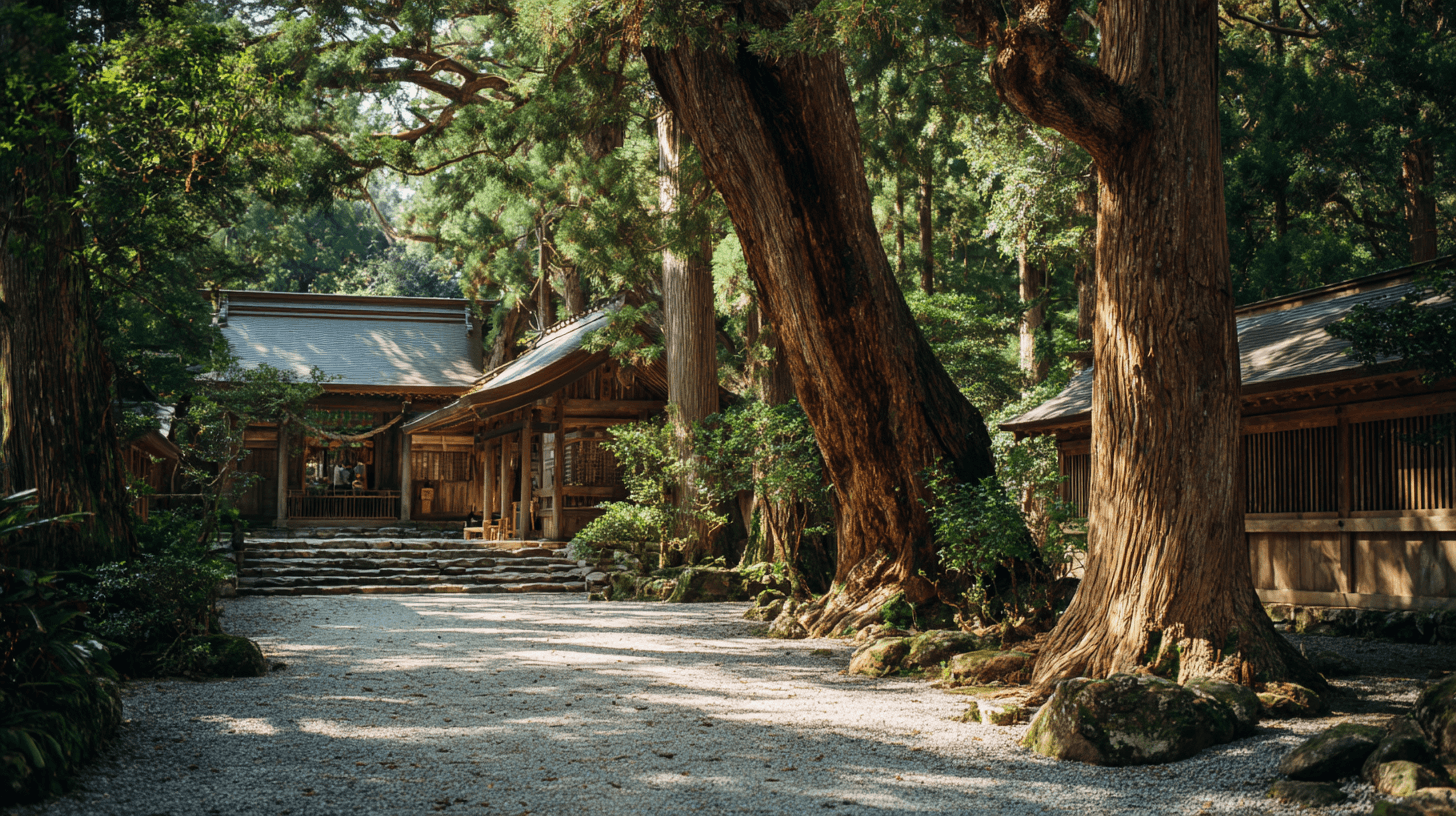
Ryokan Ohashi is a nationally registered tangible cultural property in the heart of Misasa Onsen, Tottori Prefecture, completed in 1932 by master shrine carpenters using the finest local timber. With five designated cultural property structures, water drawn from five distinct hot spring sources — including the world's only thorium spring in Misasa — and guest rooms where no two are alike, Ohashi is a living museum of Japanese architectural mastery paired with some of Japan's most therapeutically potent onsen waters.
Ideal For
Key Experiences
Gallery
Ready to experience Ryokan Ohashi?
See Prices on AgodaRoom Types
Room with Private Open-Air Bath
Spacious room with its own private outdoor bath overlooking the river, combining the unique cultural property architecture with the luxury of exclusive onsen bathing.
- Private open-air bath
- Unique room design — no two alike
- Wide veranda with river panorama
- Tatami and seating area
- Premium bath amenities
- Refrigerator and tea set
Suite with Japanese-Western Design
Premium suite blending Japanese tatami areas with Western-style seating, featuring the finest examples of shrine-carpenter craftsmanship and expansive river views.
- Japanese-Western combined living space
- Private or semi-private bath
- Expansive river views
- Premium furnishings
- Separate sitting area
- Full amenity set
Standard Japanese Room with River View
Traditional tatami room with futon bedding, featuring unique architectural details crafted by shrine carpenters and views of the Mitoku River from the veranda.
- Unique shrine-carpenter architecture
- Tatami flooring with futon bedding
- River-view veranda
- Yukata robes and bath amenities
- Air conditioning and heating
- Green tea set
Onsen & Baths
Spring Type
Radium and thorium hot springs (five sources — three natural artesian, including the world's only thorium spring)
Private Baths
- In-room private open-air bath (select rooms)
- Reservable private bath
Duration: Unlimited for in-room baths; approximately 45 minutes for reservable baths
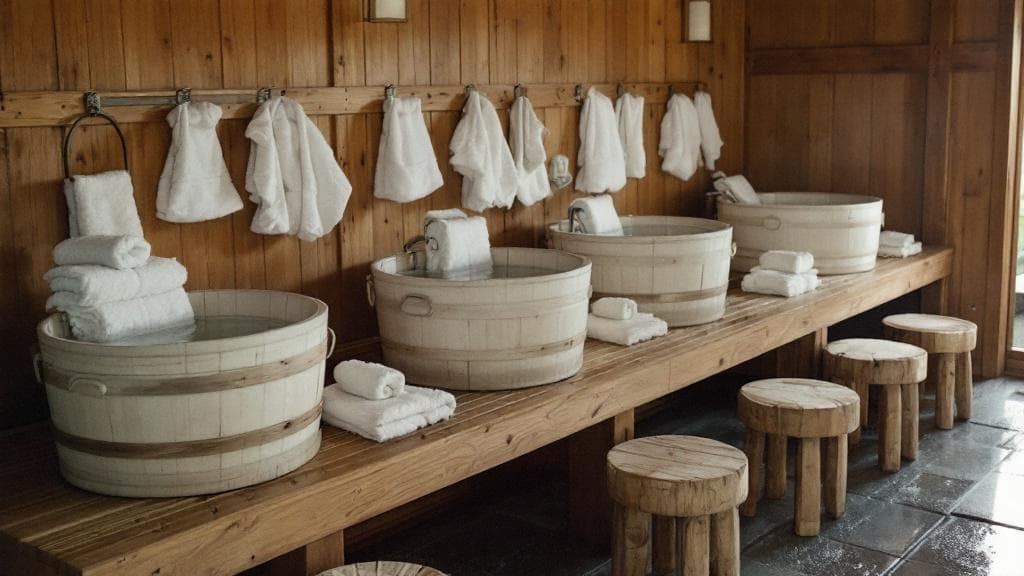
Indoor Baths
- Gankutsu no Yu — cave bath with three natural rock pools (radium lower/middle, thorium upper)
- Gender-segregated indoor public bath
Outdoor Baths
- Open-air bath overlooking the Mitoku River
- Wash and rinse thoroughly at shower stations before entering any bath
- Do not bring towels into the bath water
- Keep voices low in the Gankutsu no Yu cave bath to preserve the meditative atmosphere
- Tie long hair up so it does not enter the water
- Tattoos may need covering in public baths — ask staff about the current policy
Dining
Private dining room (kaiseki dinner and breakfast)
Specialty Dishes
Dietary Options
At least 3 days before arrival
Amenities
Premium
Best Times to Visit
Spring (Mar–May)
- Cherry blossoms along the Mitoku River create picturesque views
- Mild temperatures perfect for outdoor bathing and riverside walks
- Spring kaiseki features fresh mountain vegetables and seasonal fish
- Golden Week is busy — book well in advance
- Spring rain can increase river water levels
Summer (Jun–Aug)
- Lush green forests frame the river and bath views
- Firefly viewing along the Mitoku River (June)
- Cool mountain air makes summer evenings pleasant
- Rainy season (June-July) may bring heavy precipitation
- Hot days make outdoor baths best enjoyed in early morning or evening
Autumn (Sep–Nov)
- Spectacular autumn foliage reflected in the Mitoku River
- Comfortable temperatures for extended onsen sessions
- Autumn kaiseki showcases matsutake mushrooms and seasonal delicacies
- Peak foliage weekends are extremely popular — book months ahead
- Temperatures drop in late autumn — bring warm layers
Winter (Dec–Feb)
- Snow-dusted scenery transforms the riverside landscape
- Hot onsen bathing in cold air is especially invigorating
- Winter kaiseki features crab from the Sea of Japan (seasonal)
- Fewer visitors for a more peaceful, meditative stay
- Heavy snowfall possible — check road conditions if driving
- Some outdoor areas may be slippery
Local Knowledge
Insider Tips
Hidden Gems
- The upper pool in Gankutsu no Yu is the world's only thorium hot spring — found nowhere else
- Misasa residents who live near the radium springs reportedly have cancer rates less than half the national average
The drum bridge connecting the buildings is itself a registered cultural property
Each guest room was individually designed by the shrine carpenters, with unique ceiling and pillar details
Must-Try Experiences
- The Gankutsu no Yu cave bath — three natural rock pools where hot spring water gushes directly from the earth
- A kaiseki dinner course featuring Tottori Wagyu and seasonal San'in region specialties
An unhurried morning soak while watching mist rise from the Mitoku River through the bath window
Experience Tips
- Bathe in the Gankutsu no Yu at a quiet time for a truly meditative experience
- Try all three pools — each has different mineral compositions and temperatures
Walk along the Mitoku River in the evening wearing your yukata
Ask staff about the architectural history — they are knowledgeable about the shrine carpenter legacy
Visit the free public river bath (kawara no yu) in the heart of Misasa Onsen town
Cultural Notes
- Misasa Onsen has over 850 years of history and is one of the world's top radium hot spring areas
- Locals attribute their exceptional longevity to daily exposure to the radon-rich waters and air
The shrine carpenter tradition is a specialized branch of Japanese carpentry reserved for sacred structures
Nearby Mitokusan Sanbutsuji Temple houses the Nageire-do (National Treasure), a cliff-face temple hall
Ready to experience it yourself?
Check Availability & Book on AgodaPractical Information
Stay Details
Recommended Stay
1-2 nights
Getting There
- Route bus from JR Kurayoshi Station to Misasa Onsen (about 20 minutes, 470 JPY)
- Taxi from Kurayoshi Station (approximately 15 minutes, ~3,000 JPY)
- JR Super Hakuto limited express from Osaka to Kurayoshi (about 3.5 hours)
- JR San'in Line from Tottori Station to Kurayoshi (about 30 minutes)
- Car access with on-site parking
Before You Go
Dietary Options
At least 3 days before arrival
Booking Tips
- Request a room with private open-air bath early — these are limited and popular
- Ask about seasonal kaiseki menus when booking to time your visit with favorite ingredients
- Rooms vary greatly in design — communicate preferences for river view, size, or style
- Book well ahead for weekends, autumn foliage season, and New Year
- Confirm bus schedules from Kurayoshi Station as service is limited in the evening
Preparation Tips
- Research the Gankutsu no Yu cave bath beforehand so you know to try all three pools
- Pack light — yukata and all bath essentials are provided
- Bring cash for the bus from Kurayoshi Station
- Plan a visit to nearby Mitokusan Sanbutsuji Temple (National Treasure) if time allows
Quick Facts
Nearest Station
Kurayoshi Station (JR San'in Line)
History
Completed in 1932 with the sole aim of creating the pinnacle of Japanese architecture, Ryokan Ohashi was painstakingly constructed by shrine carpenters from local fine wood. Five sections of the property — the main building, annex, west annex, great hall, and drum bridge — are nationally registered tangible cultural properties, making it one of the most architecturally significant ryokans in Japan. Misasa Onsen itself has over 850 years of history as a healing hot spring destination.
Related Articles
Similar Ryokans
You might also enjoy these traditional Japanese inns


