
Mikiya Ryokan
Room Types
4
Water
Hot Spring
Private
In-Room Onsen
Cuisine
Kaiseki
About
Mikiya is a historic 300-year-old ryokan in the heart of Kinosaki Onsen, one of Japan's most beloved hot spring towns. Famous as the favored inn of celebrated novelist Naoya Shiga, Mikiya features 21 traditional Japanese rooms, an elegant Zen garden, three in-house onsen baths, and complimentary access to all seven of Kinosaki's iconic public bathhouses. The three-story wooden main building, rebuilt in 1927, preserves a rare and distinctive architectural character.
Ideal For
Key Experiences
Gallery
Ready to experience Mikiya Ryokan?
See Prices on AgodaRoom Types
Japanese-Style Room with Town View
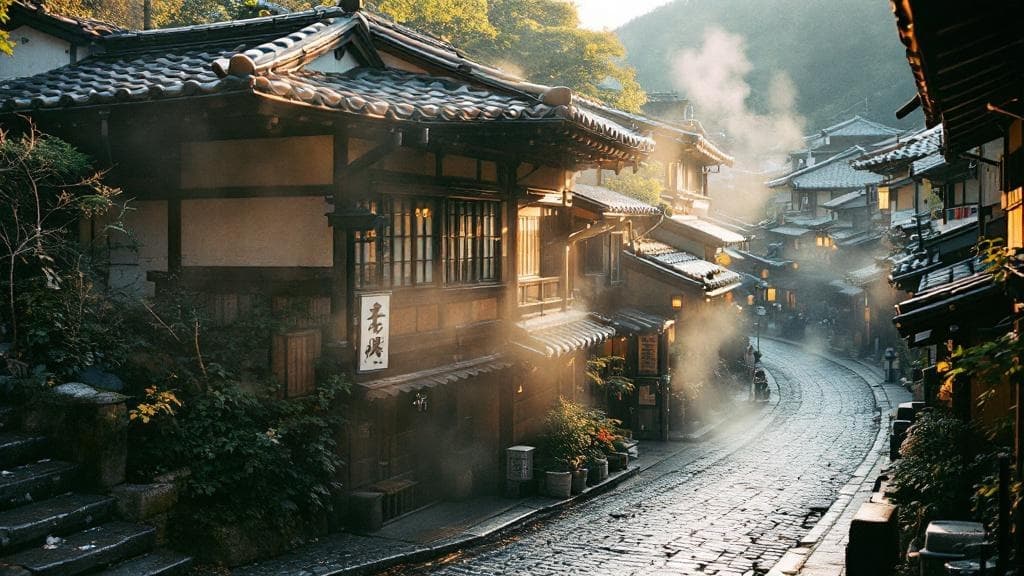
Traditional tatami room facing the Kinosaki hot spring town streetscape, ideal for watching the evening lantern-lit atmosphere.
- Hot spring town view
- Tatami flooring with futon bedding
- TV, AC, refrigerator
- Private bathroom
- Yukata and geta provided
Japanese-Style Room with Garden View
Traditional tatami room overlooking the elegant Zen garden, featuring futon bedding, a tokonoma alcove, and classic Japanese furnishings.
- Zen garden view
- Tatami flooring with futon bedding
- Tokonoma alcove
- TV, AC, refrigerator
- Private bathroom
- Yukata and geta provided
Spacious Room with Cypress Bath and Steam Room
The largest room type featuring an in-room cypress wood bath and steam room, with views of the Japanese garden. The premier accommodation at Mikiya.
- Private cypress bath
- Private steam room
- Japanese garden view
- Tatami flooring with futon bedding
- TV, AC, refrigerator
- Yukata and geta provided
Two Connecting Japanese Rooms with Garden View
Two connected tatami rooms overlooking the Japanese garden, ideal for families or small groups wanting extra space.
- Two connecting rooms
- Japanese garden view
- Tatami flooring with futon bedding
- TV, AC, refrigerator
- Private bathroom
- Yukata and geta provided
Onsen & Baths
Spring Type
Sodium-calcium chloride high-temperature spring (Kinosaki Onsen)
Private Baths
- Reservable private in-house bath
- In-room cypress bath (premium room only)
- In-room steam room (premium room only)
Duration: 45 minutes for reservable private bath; unlimited for in-room facilities
Indoor Baths
- Two gender-alternating public indoor baths at Mikiya
Outdoor Baths
- Outdoor baths at several of Kinosaki's seven public bathhouses (included with guest pass)
- Wash and rinse thoroughly before entering any bath
- Do not bring towels into the bath water
- Keep voices low in public bathhouses
- Wear yukata and geta when walking between Kinosaki's public baths
- Follow posted bathing times for gender-alternating baths at Mikiya
Dining
Dining room with private sectioned areas for each guest group
Specialty Dishes
Dietary Options
At least 3 days in advance recommended
Amenities
Premium
Best Times to Visit
Spring (Mar–May)
- Cherry blossoms line the Kinosaki canal streets
- Mild weather perfect for yukata-clad bathhouse strolling
- Spring kaiseki features fresh mountain vegetables and seafood
- Popular season — book early
- Some public baths close for annual maintenance in spring
Summer (Jun–Aug)
- Kinosaki Summer Fireworks Festival enlivens the town
- Green willow trees create a beautiful streetscape
- Lighter kaiseki menus with seasonal fish and vegetables
- Hot and humid — outdoor walks between baths can be warm
- Peak domestic tourism season during Obon
Autumn (Sep–Nov)
- Autumn foliage adds color to the town and surrounding mountains
- Comfortable temperatures ideal for bathhouse hopping
- Matsutake mushroom and autumn specialties on the kaiseki menu
- Increasingly popular season — advance booking recommended
- Weekends can be crowded at the public baths
Winter (Dec–Feb)
- Snow-covered Kinosaki is breathtakingly beautiful
- Matsuba crab season (November-March) — the premier culinary draw
- Hot spring bathing is most rewarding in the cold winter air
- Fewer international tourists make for a more local atmosphere
- Peak crab season means highest demand and prices
- Cold walks between bathhouses — bring warm layers under your yukata
- Must book months in advance for winter weekends
Local Knowledge
Insider Tips
Hidden Gems
- The original room where Naoya Shiga stayed is preserved and available for guests to book
- The three-story wooden main building from 1927 is exceptionally rare for that era and survived nearly a century
The private reservable bath offers an intimate alternative to the bustling public bathhouses
The Zen garden facing the lobby is a peaceful retreat best enjoyed with morning tea
Must-Try Experiences
- Bathhouse hopping through all seven of Kinosaki's public onsen in yukata and geta
- Dining on local Tajima beef and fresh Sea of Japan seafood kaiseki
Spending time in the Naoya Shiga memorial room and contemplating the literary heritage
Experience Tips
- Start your bathhouse circuit early to beat the evening crowds
- Try to visit all seven public baths — each has a unique design and atmosphere
Enjoy the evening canal stroll in yukata when the streets are lantern-lit
Explore the Naoya Shiga literary connections throughout Kinosaki town
Save the private bath at Mikiya for a quiet end-of-day soak
Cultural Notes
- Kinosaki Onsen's tradition of sotoyu (external bathhouse) hopping is unique in Japan and central to the town's identity
- Naoya Shiga is revered as one of Japan's greatest modern novelists, and his connection to Mikiya is a source of deep cultural pride
The seven public bathhouses each have legends and spiritual significance tied to Buddhist and Shinto traditions
Wearing yukata and geta through town is not just permitted but expected and celebrated as part of the Kinosaki experience
Ready to experience it yourself?
Check Availability & Book on AgodaPractical Information
Stay Details
Recommended Stay
1-2 nights
Getting There
- Walk from Kinosaki Onsen Station (approximately 10 minutes)
- JR Limited Express Kinosaki from Kyoto Station (approximately 2.5 hours)
- JR Limited Express Konotori from Osaka Station (approximately 2.5 hours)
- Car access with parking available at the ryokan
Before You Go
Dietary Options
At least 3 days in advance recommended
Booking Tips
- Book early for winter crab season (November-March) as Kinosaki is extremely popular
- Request a garden-view room for the best Mikiya experience
- Ask about the Naoya Shiga heritage room when booking for a literary experience
- Specify if you want the room with cypress bath and steam room as it is limited
- Weekday stays offer a quieter experience with easier bathhouse access
Preparation Tips
- Practice walking in geta (wooden sandals) before your bathhouse hopping adventure
- Bring minimal luggage — yukata, geta, and towels are provided for bathhouse visits
- Download a map of the seven public bathhouses and plan your route
- Check seasonal menus to know when crab and other specialties are featured
Quick Facts
Nearest Station
Kinosaki Onsen Station (JR Sanin Main Line)
History
Mikiya traces its origins to the Genroku Period (late 1600s), when descendants of soldiers from Miki Castle opened an inn named in honor of Lord Nagaharu and his legendary last stand. The literary giant Naoya Shiga stayed here multiple times between 1913 and 1955, penning his famous semi-autobiographical short story "At Cape Kinosaki" after convalescing at the inn. The current main building, a remarkable three-story wooden structure, was rebuilt in 1927 after the 1925 North Tajima Earthquake destroyed the original.
Compare Ryokans in Toyooka
Related Articles
Similar Ryokans
You might also enjoy these traditional Japanese inns


