
Fukiya
Room Types
4
Water
Hot Spring
Private
In-Room Onsen
Cuisine
Kaiseki
About
Fukiya is a refined luxury hot spring hotel in Yugawara, one of Japan's most celebrated onsen towns with over 1,300 years of history. Rebranded with a design identity inspired by the fuki (Japanese butterbur) plant by Kengo Kuma and Associates, the inn features 20 rooms across 7 types — most with private hinoki cypress baths — plus seven distinct bathing experiences from rooftop terraces to rock-built outdoor baths. The Michelin-recognized cuisine is served in-room, making this an intimate, design-forward retreat just 75 minutes from Tokyo.
Ideal For
Key Experiences
Gallery
Ready to experience Fukiya?
See Prices on AgodaRoom Types
Single Room
The inn's compact offering for solo travelers, maintaining the refined Fukiya aesthetic in a more intimate setting. Note: this is the only room type without a private indoor bath.
- Access to shared baths
- Tatami flooring
- In-room dining available
From ¥35,000/night
Kitayama Log Ceiling Room
Features beautifully sloped ceilings crafted from smooth, pale Kitayama logs with a sunken kotatsu-style study area, creating a warm and distinctive atmosphere.
- Private hinoki cypress bath
- Kitayama log ceiling
- Sunken kotatsu area
- In-room dining
From ¥60,000/night
Sukiya-Style Corner Suite
Designed by architect Kazuyuki Nimura, featuring elegant flat tatami flooring with a refined sukiya aesthetic. The suite offers expansive space with separate sitting and sleeping areas.
- Private hinoki cypress bath
- Tatami flooring
- Separate sitting area
- In-room dining
- Premium amenities
From ¥70,000/night
Japanese Room with Electric Sofa Bed
A versatile room featuring an electric sofa bed that transitions from restful sleep mode to a chic lounge configuration, blending traditional Japanese design with modern convenience.
- Private hinoki cypress bath
- Electric sofa bed
- In-room dining
- Tatami and modern elements
From ¥55,000/night
Onsen & Baths
Spring Type
Sodium-calcium chloride and sulfate spring (mildly alkaline)
Private Baths
- In-room hinoki cypress baths (most rooms)
- Private open-air bath settings
Indoor Baths
- Main indoor bath
- Additional communal bath
Outdoor Baths
- Rock-built outdoor rotenburo
- Open-air scenic bath
- Rooftop terrace bath area
- Wash thoroughly at the shower stations before entering any bath
- Do not bring towels into the bath water
- Most rooms have private baths — enjoy at your leisure
- Public baths have designated hours — check at reception
- The outdoor rock bath is best enjoyed in silence to appreciate the atmosphere
Dining
In-room kaiseki dining — Michelin-recognized multi-course dinner
In-room breakfast — traditional Japanese morning meal
Lounge area for drinks and light refreshments
Specialty Dishes
Dietary Options
At least 3 days before arrival
Best Times to Visit
Spring (Mar–May)
- Cherry blossoms along the Yugawara coastline
- Fresh spring kaiseki menus
- Pleasant temperatures for outdoor bath enjoyment
- Golden Week is extremely popular — book far ahead
- Occasional spring rain
Summer (Jun–Aug)
- Nearby beach access for a combined onsen-beach trip
- Summer fireworks along the coast
- Cooling outdoor baths
- Peak domestic tourism season
- Humid coastal weather
Autumn (Sep–Nov)
- Fall foliage in the surrounding mountains
- Rich autumn kaiseki with mushrooms and chestnuts
- Comfortable bathing temperatures
- Popular season — book well in advance
- Typhoon season through October
Winter (Dec–Feb)
- Quiet, contemplative atmosphere
- Warming onsen baths against the cool air
- Winter citrus (mikan) featured in cuisine
- Shorter daylight hours
- Some outdoor activities limited
Local Knowledge
Insider Tips
Hidden Gems
- The Kengo Kuma design details — look for the fuki leaf motif woven into the Wilton rugs and dyed into the yukata
- The rooftop terrace is particularly magical at sunset
Yugawara's Manyoshu poetry trail connects literary history to the landscape
The persimmon-varnished noren curtains are custom art pieces
Must-Try Experiences
- In-room Michelin-quality kaiseki dinner with seasonal presentations
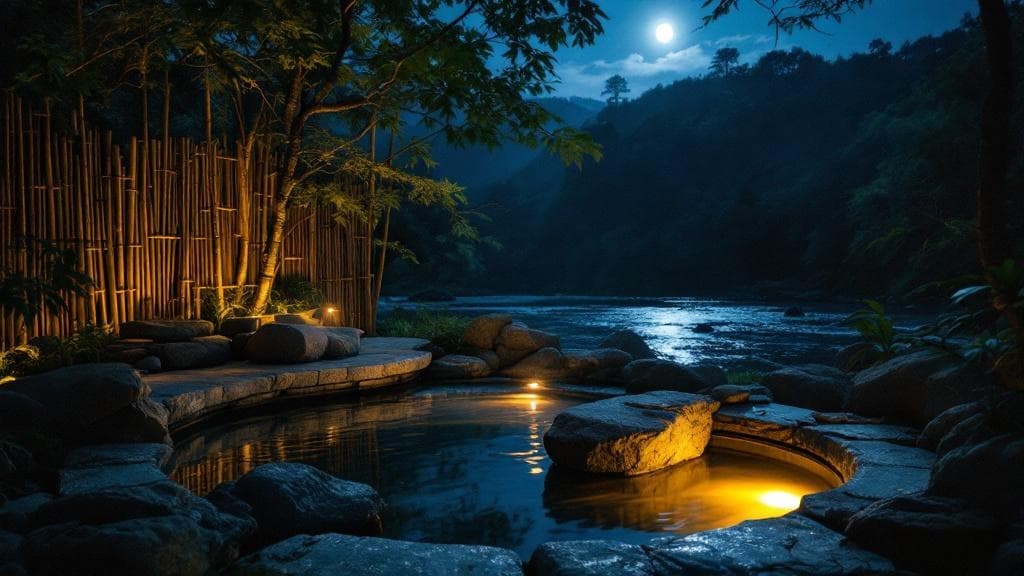
- Soaking in the rock-built outdoor bath under the stars
Morning rooftop terrace relaxation with mountain views
Experience Tips
- Look for the fuki (butterbur) plant motif in the rugs, yukata, and curtains — it tells the design story
- Try the rooftop terrace at different times of day for changing atmospheres
Book a Thai massage for complete relaxation
Ask the staff about the Manyoshu poetry connections to Yugawara
Cultural Notes
- Yugawara is referenced in the Manyoshu, Japan's oldest poetry anthology, dating to the 8th century
- The rebranding by Kengo Kuma transforms the fuki plant into a unifying artistic motif
Traditional washoku dining here represents cuisine as an art form
The inn bridges 1,300 years of onsen culture with contemporary Japanese design
Ready to experience it yourself?
Check Availability & Book on AgodaPractical Information
Stay Details
Recommended Stay
1-2 nights
Getting There
- JR Limited Express from Tokyo Station to Yugawara Station (75 minutes)
- JR Tokaido Line from Tokyo/Shinagawa to Yugawara Station
- Taxi from Yugawara Station (approximately 8 minutes)
- By car: accessible via Tomei Expressway or Odawara-Atsugi Road
Before You Go
Dietary Options
At least 3 days before arrival
Booking Tips
- Book well in advance for weekends and holidays — this is a popular Tokyo escape
- Request a corner suite for the most spacious experience
- Note that the single room does not have a private bath
- Mention any special occasions for personalized touches
Preparation Tips
- The inn is only 75 minutes from Tokyo — ideal for a midweek escape
- Bring a camera for the beautiful interior design details
- Pack light as yukata and amenities are provided
- Consider combining with a visit to nearby Hakone
Quick Facts
Nearest Station
Yugawara Station (JR Tokaido Line)
History
Yugawara Onsen has been celebrated for over 1,300 years, with references appearing in the ancient Manyoshu poetry anthology — one of the oldest collections of Japanese poetry. Throughout history, poets, calligraphers, and artists have sought inspiration and healing in these waters. Fukiya underwent a comprehensive rebranding by the renowned architect Kengo Kuma and Associates, who developed a cohesive design identity centered on the fuki (Japanese butterbur) plant motif, creating custom products and materials including persimmon-varnished shop curtains, dyed yukata, and Wilton-woven rugs.
Related Articles
Similar Ryokans
You might also enjoy these traditional Japanese inns


