
Shiroyamakan
Room Types
2
Water
Hot Spring
Private
In-Room Onsen
Cuisine
Kaiseki
About
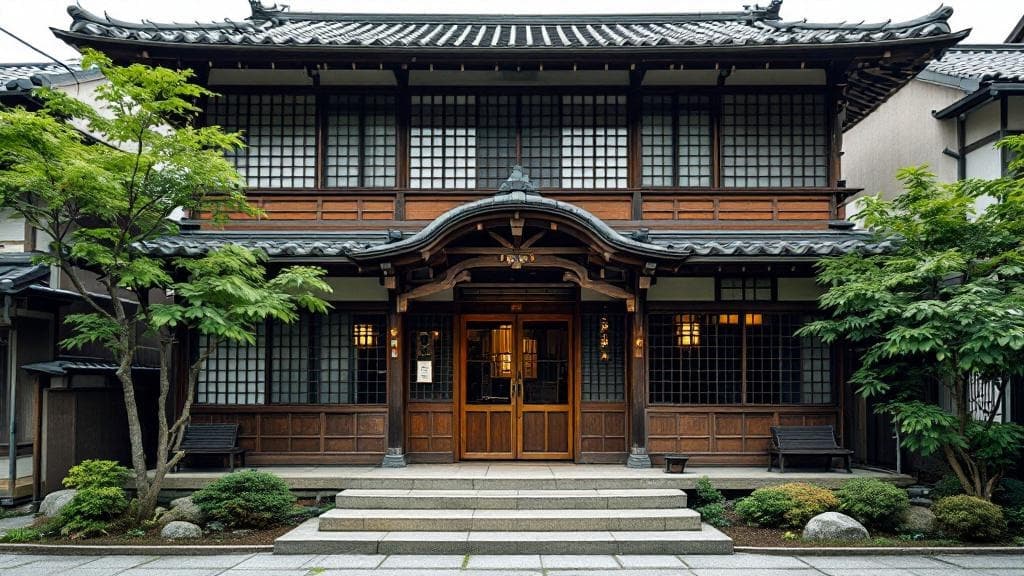
Shiroyamakan is a nationally designated Important Traditional Building and intimate four-room ryokan in the UNESCO World Heritage village of Shirakawa-go, Gifu Prefecture. Founded in the late Meiji period (1884) and operated by the fourth generation of the Matsufuru family, it preserves the remnants of ryokan architecture from the Meiji, Taisho, and early Showa eras. With only four guest groups per day, two private Kiso cypress baths fed by natural spring water, and meals crafted from locally hunted, foraged, and grown ingredients, Shiroyamakan offers one of the most authentic and personal stays in all of Shirakawa-go — steps from the iconic gassho-zukuri thatched-roof houses.
Ideal For
Key Experiences
Room Types
Western Twin Room
Renovated in 2023, these rooms feature twin beds, private toilet and washbasin, and garden views, offering modern comfort within the historic Meiji-era building.
- Twin beds
- Private toilet and washbasin
- Garden view
- No television (by design)
- Heating
Traditional Japanese Tatami Room
Original tatami rooms with futon bedding and garden views, preserving the authentic atmosphere of the Meiji-era ryokan as it has been for over a century.
- Tatami flooring with futon bedding
- Garden view
- No television (by design)
- Heating
- Shared facilities
Onsen & Baths
Spring Type
Natural spring water (not classified as onsen — natural mineral spring flowing since before the Meiji era)
Private Baths
- Two private Kiso cypress (hinoki) baths reservable by room
Duration: Reserved by room — each bath can be privately booked for your group
Indoor Baths
- Two private indoor Kiso cypress baths (one river-facing, one garden-facing)
- Rinse thoroughly before entering the cypress bath
- Do not bring towels into the bath water
- Reserve your preferred bath time with the front desk
- Keep the cypress bath area tidy for the next guests
- Hydrate before and after bathing
Dining
Dining area with scenic views (kaiseki dinner and breakfast)
Specialty Dishes
Dietary Options
At least 5 days in advance recommended (as ingredients are hunted and foraged)
Amenities
Premium
Best Times to Visit
Spring (Mar–May)
- Fresh mountain greenery surrounds the thatched-roof village
- Spring mountain vegetables (sansai) feature prominently in the kaiseki
- Mild weather ideal for village walks and cycling
- Golden Week can bring large crowds to the village
- Some spring days can be rainy in the mountains
Summer (Jun–Aug)
- Lush green rice paddies frame the gassho-zukuri farmhouses beautifully
- Cool mountain air provides relief from lowland heat
- Longest daylight hours for exploring the village and surroundings
- Popular domestic tourism season — bus services can be crowded
- Occasional rain showers in the mountains
Autumn (Sep–Nov)
- Spectacular autumn foliage paints the village in red, orange, and gold
- Seasonal mushrooms and autumn mountain vegetables appear in kaiseki
- Comfortable hiking temperatures
- Peak foliage period is extremely popular — book very early
- Typhoon season through early October
Winter (Dec–Feb)
- Snow-covered gassho-zukuri farmhouses create the most iconic Shirakawa-go scene
- Annual winter illumination events transform the village into a fairy-tale landscape
- Hot cypress baths are most invigorating in the cold mountain air
- Hearty winter kaiseki with preserved mountain foods
- Heavy snowfall zone — roads may be affected, check conditions
- Winter illumination lottery system means advance planning is essential
- Limited bus schedules in heavy snow
Local Knowledge
Insider Tips
Hidden Gems
- Several family members are involved in hunting and foraging the ingredients for your meal — wild game, mountain vegetables, and river fish may all appear on the table
- The natural spring water in the baths has enriched the area since before the Meiji era — centuries of flowing spring water
There are no TVs in the rooms by design, encouraging guests to fully immerse in the natural scenery outside the windows
The 2023 renovation added two Western-style twin rooms while preserving two original Japanese tatami rooms — a thoughtful balance of comfort and heritage
Must-Try Experiences
- The kaiseki dinner — the Matsufuru family hunts, forages, cooks, and serves the meal, making it deeply personal and seasonal
- A private soak in one of the two Kiso cypress baths with natural spring water that has flowed since before the Meiji era
An early morning walk through the gassho-zukuri village before day-trip tourists arrive
Experience Tips
- Walk the gassho-zukuri village early morning or after day-trip tourists leave (before 9 AM or after 4 PM)
- Ask the Matsufuru family about the ingredients in your meal — they love sharing stories of hunting and foraging
Visit the Shiroyama Observatory Deck for the best panoramic photos of the village
Take the free bicycles to explore the surrounding area
Embrace the lack of TV — sit by the window and watch the seasons unfold in the garden
Cultural Notes
- Shirakawa-go's gassho-zukuri farmhouses (hands-in-prayer style) are UNESCO World Heritage sites, built to withstand heavy snowfall
- The Matsufuru family has operated Shiroyamakan for four generations, embodying the Japanese concept of family-run hospitality
The hunt-and-forage approach to kaiseki reflects the self-sufficient food culture of mountain communities
Removing TVs from rooms is a deliberate choice to encourage mindfulness and connection with the historic environment
Ready to experience it yourself?
Check Availability & Book on AgodaPractical Information
Stay Details
Recommended Stay
1 night (to experience the village without day-trip crowds)
Getting There
- Nohi Bus from Takayama Station to Shirakawago bus terminal (approximately 50 minutes)
- Nohi Bus from Kanazawa Station to Shirakawago bus terminal (approximately 75 minutes)
- Short walk from Shirakawago bus terminal to the ryokan
- Car access — free bicycles available at the ryokan for local exploration
Before You Go
Dietary Options
At least 5 days in advance recommended (as ingredients are hunted and foraged)
Booking Tips
- Book far in advance — only four guest groups are accepted per day
- Mention dietary restrictions at least 5 days ahead as food is hunted and foraged fresh
- Request the river-facing cypress bath if you prefer the sound of flowing water
- Winter illumination events in Shirakawa-go sell out months ahead — plan accordingly
- Check Nohi Bus schedules between Takayama/Kanazawa and Shirakawago in advance
Preparation Tips
- Pack warm clothing in winter — Shirakawa-go is in a heavy snowfall zone
- Bring a book or journal — there are no TVs in the rooms by design
- Arrive by mid-afternoon to explore the village before dinner
- Check bus timetables carefully as services are limited
Quick Facts
Nearest Station
Takayama Station (JR Takayama Line)
History
Built in 1884 during the Meiji period, Shiroyamakan was relocated to its current site by Seijiro Matsufuru, the great-grandfather of the current fourth-generation owner Takuya Matsufuru. Seijiro's wife Shizu opened the building as a ryokan and general store in the Taisho era, and it has been passed down through the family ever since. The building is nationally designated as an Important Traditional Building, representing rare surviving examples of ryokan architecture from the late Meiji, Taisho, and early Showa periods. It stands within Shirakawa-go's UNESCO World Heritage preservation district, surrounded by the iconic gassho-zukuri farmhouses.
Related Articles
Similar Ryokans
You might also enjoy these traditional Japanese inns


