How a ryokan stay works
A night at a ryokan follows a set order. You arrive in the afternoon, bathe, eat dinner, sleep on a futon, eat breakfast and leave mid-morning. Here is each step in that order, with what to do and what the staff will do for you. Inns differ, so when in doubt, ask the staff. (Source: JNTO, Japanese Manners and Etiquette, checked Nov 2026)
Step 1
Arrival and check-in
Check-in usually starts at 15:00 or 16:00. Arrive early and almost every ryokan will hold your bags at the front desk. (Source: Japan Tourism Agency, ryokan Q&A: Arrival, checked Nov 2026) The most common check-in hour is around 15:00. (Source: Japan Ryokan Association, Receiving Guests, checked Nov 2026)
Dinner is served in a set time window. If you will arrive much later than check-in, tell the inn, or you may miss it. (Source: Japan Tourism Agency, ryokan Q&A: Arrival, checked Nov 2026)
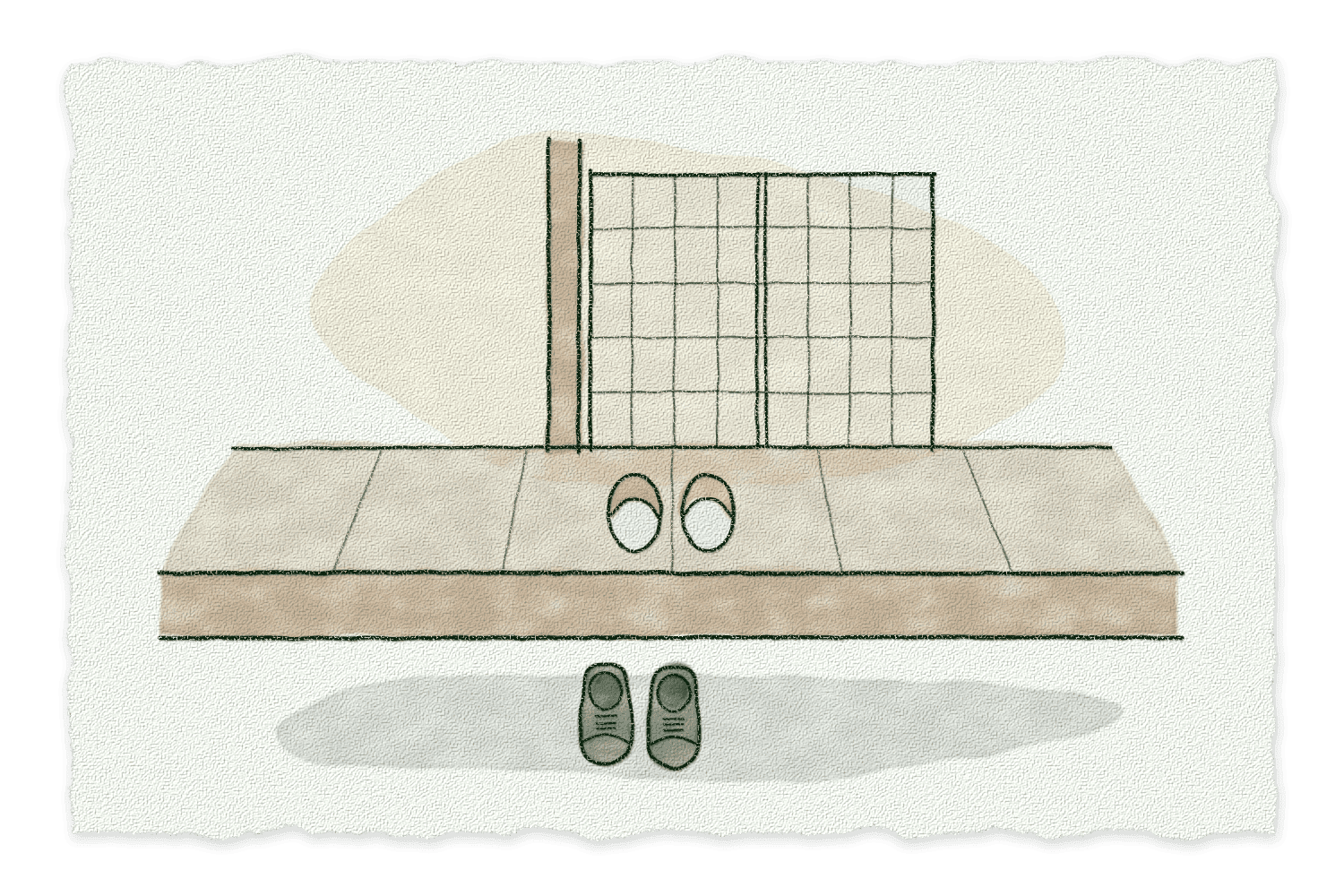
Take your shoes off just inside the entrance and put on the indoor slippers. Set your shoes in the shoe box or neatly to one side. (Source: JNTO, Japanese Manners and Etiquette, checked Nov 2026) Some inns let you keep shoes on as far as your room, on stone or carpeted corridors. (Source: Japan Ryokan Association, To Your Guestroom, checked Nov 2026)
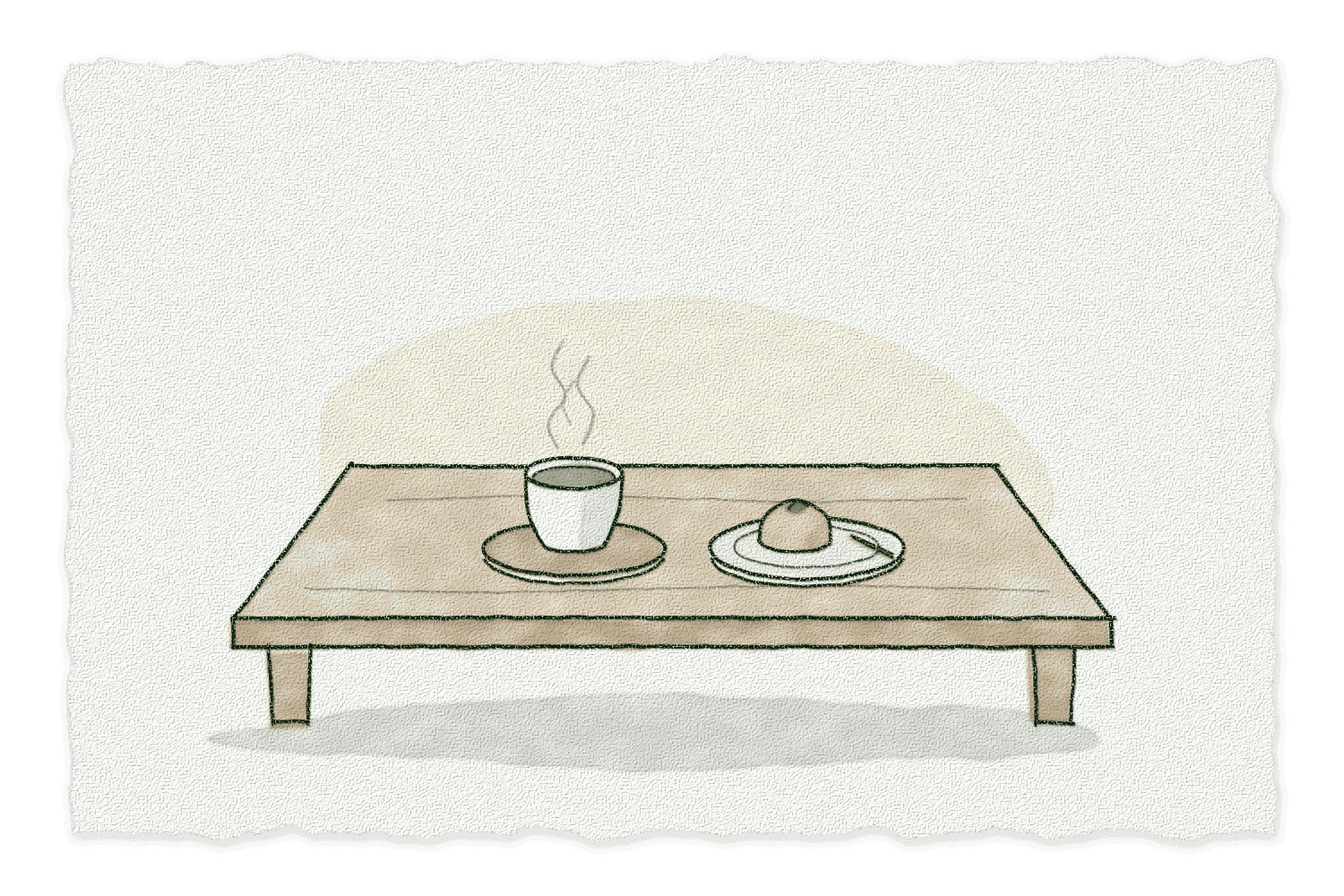
Once you are in your room, your room attendant (nakai-san) brings green tea and a Japanese sweet. They then confirm your meal times and give you local information. (Source: Japan Ryokan Association, After Settled Down in Guestroom, checked Nov 2026)
Step 2
The room
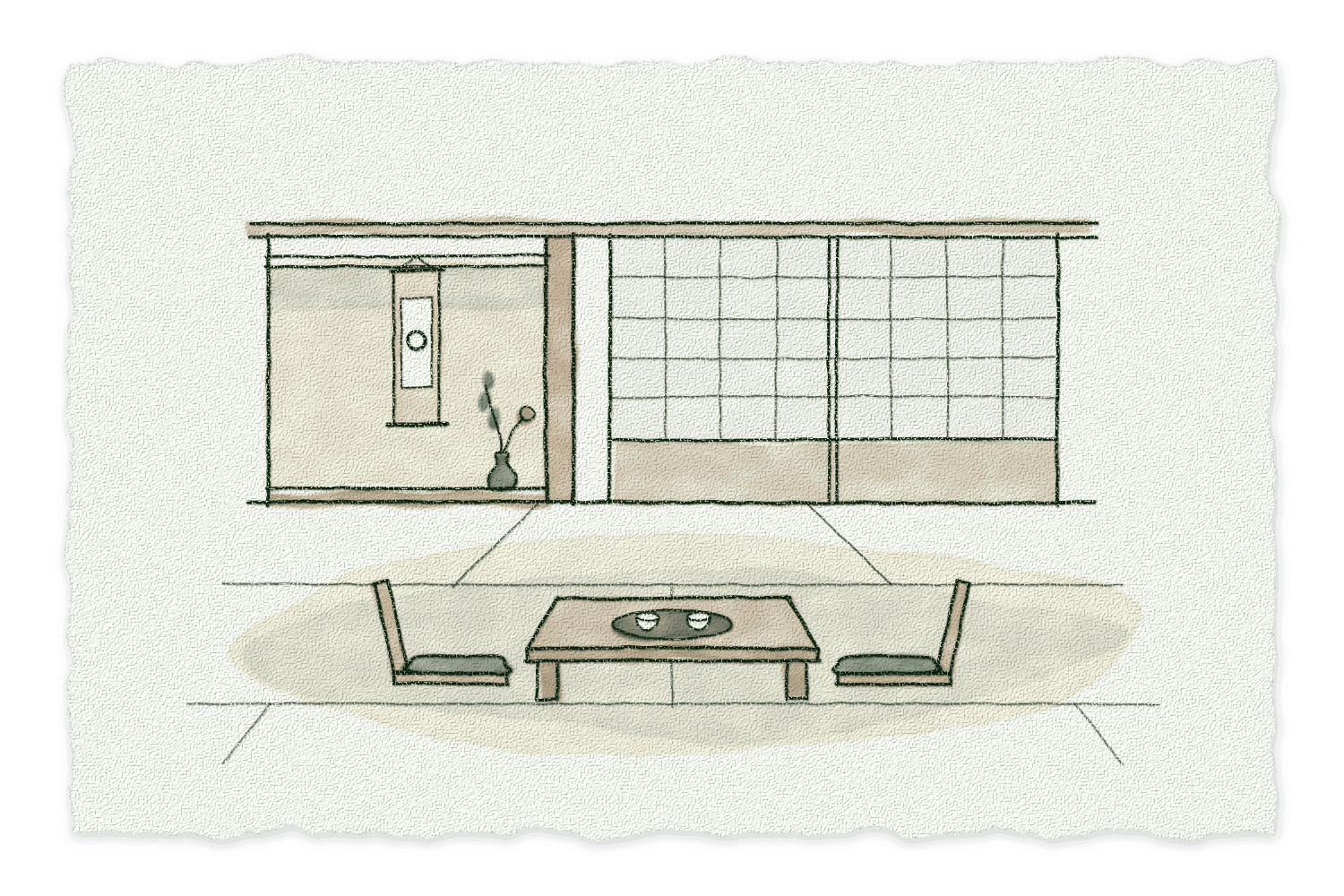
Most ryokan rooms are Japanese-style, with tatami mats, a low table and legless chairs with cushions. (Source: Japan Ryokan Association, Guestrooms of the Ryokan, checked Nov 2026) (Source: Japan Tourism Agency, ryokan Q&A: Room / Facility, checked Nov 2026)
Slippers come off before you step on tatami. Socks or bare feet only on the mats. The toilet usually has its own pair of slippers for use there only. (Source: JNTO, Japanese Manners and Etiquette, checked Nov 2026)
Most Japanese-style rooms have a tokonoma, a raised alcove in one wall. It holds a hanging scroll and a flower vase or ornament, changed with the season. (Source: Japan Ryokan Association, Glossary of Terms (PDF), checked Nov 2026)
There is no bed in the day. The futon is laid out on the tatami for you. More inns now offer rooms with beds if you ask. (Source: Japan Tourism Agency, ryokan Q&A: Room / Facility, checked Nov 2026)
Step 3
The yukata
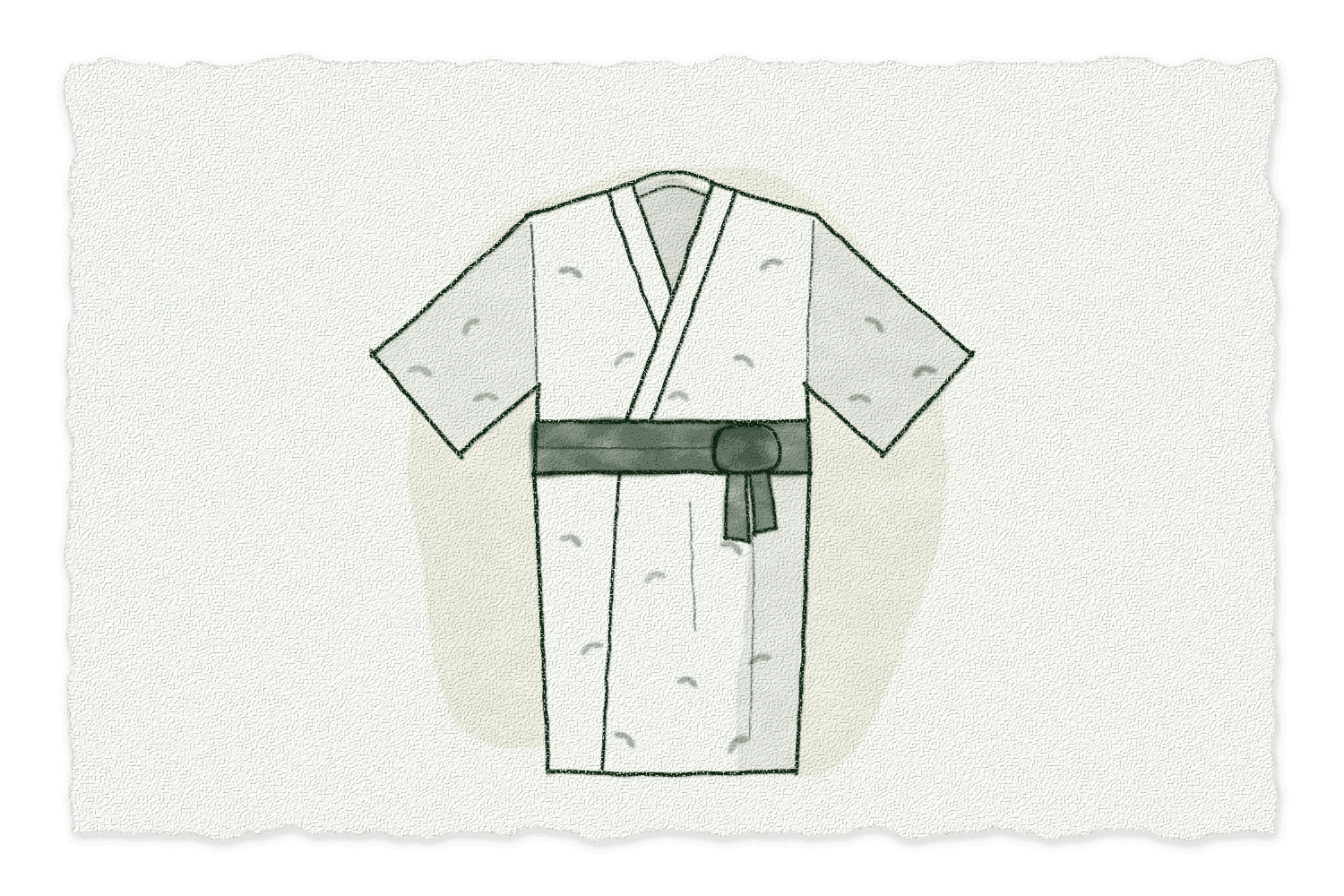
Your room has a cotton yukata for each guest. Men and women both wrap the left side over the right, then tie the obi sash. (Source: Japan Ryokan Association, Yukata, checked Nov 2026)
Never wrap it right over left. That is how the dead are dressed. (Source: Sapporo tourism (official), How to Wear a Yukata, checked Nov 2026)
In cold weather you also get a padded tanzen. Wear it over the yukata and wrap it the same way. (Source: Japan Ryokan Association, Yukata, checked Nov 2026)
Some inns let you wear the yukata and slippers outside, and some do not. Ask at the desk. (Source: JNTO, Japanese Manners and Etiquette, checked Nov 2026)
Step 4
The bath
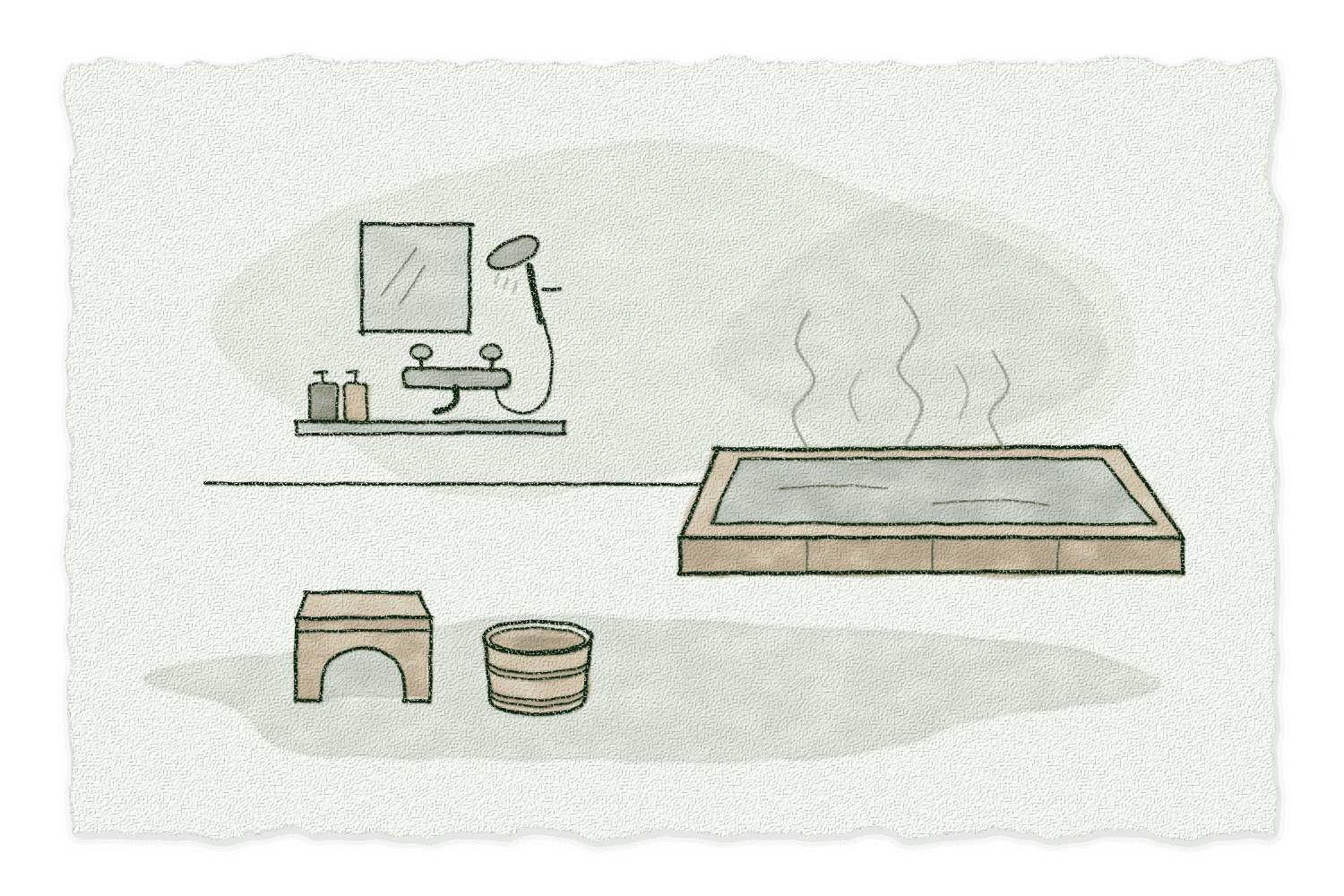
Undress fully in the changing room. Swimsuits are not worn in the bath. (Source: JNTO, How to Best Enjoy Japan’s Onsen, checked Nov 2026)
Before you get in, wash at a washing station: sit on the stool, use the soap and shampoo, and rinse off completely. Then pour hot water over your body from the bucket to get used to the heat. (Source: JNTO, How to Best Enjoy Japan’s Onsen, checked Nov 2026)
Keep your towel out of the water. Fold it on your head or set it at the edge. Tie up long hair. (Source: JNTO, How to Best Enjoy Japan’s Onsen, checked Nov 2026) (Source: Japan Tourism Agency, ryokan Q&A: Communal bath, checked Nov 2026)
Speak softly, and leave your phone outside. Photos in the bath are not allowed. (Source: JNTO, How to Best Enjoy Japan’s Onsen, checked Nov 2026)
Tattoo policies differ from ryokan to ryokan. Some have no rules, some decide case by case, and many public baths ban tattoos. Check before you book. (Source: Japan Tourism Agency, ryokan Q&A: Communal bath, checked Nov 2026)
Many inns also have private baths. Some are in the room. Others, called kashikiri baths, you book for a set time slot, usually by asking the staff when you arrive. Guests with tattoos can use these. (Source: Japan Tourism Agency, ryokan Q&A: Communal bath, checked Nov 2026) (Source: JNTO, Japanese Manners and Etiquette, checked Nov 2026) See our onsen guide and tattoo-friendly onsen.
Free ryokan planning guide
Japan travel tips, etiquette essentials, and our top picks — straight to your inbox.
Step 5
Kaiseki dinner
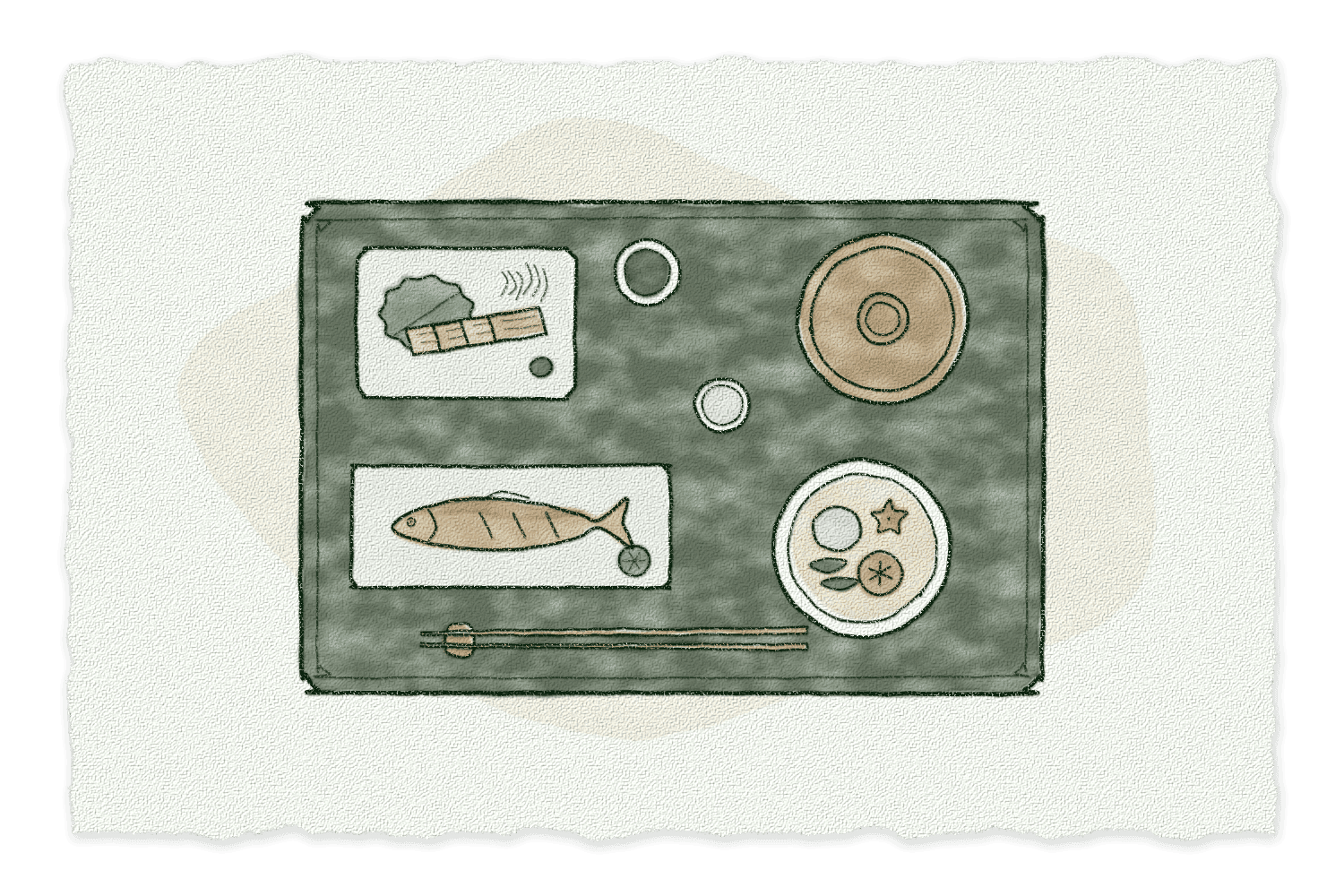
A ryokan stay usually includes a kaiseki dinner, a formal meal of many small courses made from local, seasonal food. Depending on the inn, it is served in your room or in a dining room. (Source: JNTO, Japanese Ryokan Guide, checked Nov 2026)
Meals run at set times. Staff usually ask what time you want dinner and breakfast when you check in. Tell the inn about allergies or dietary needs a few days before you arrive. (Source: Japan Tourism Agency, ryokan Q&A: Food, checked Nov 2026)
A common order of courses is below. Menus vary by inn and season, and some add fried, steamed or hot-pot dishes.
 Sakizuke: a small appetizer
 Wanmono (owan): a soup in a lidded bowl
 Hassun: a platter of small seasonal bites
 Otsukuri (mukozuke): sliced raw fish, sashimi
 Yakimono: a grilled dish
 Nimono: a simmered dish
 Shokuji: rice, miso soup and pickles
 Mizugashi: fruit or a sweet
(Source: Japan Ryokan Association, Glossary of Terms (PDF), checked Nov 2026) (Source: MICHELIN Guide, Kaiseki vs. Omakase, checked Nov 2026)
In the room, your attendant brings each dish and explains it, timed to your pace. (Source: Japan Ryokan Association, Dinner, checked Nov 2026) More in our kaiseki dining guide.
Step 6
Night and breakfast
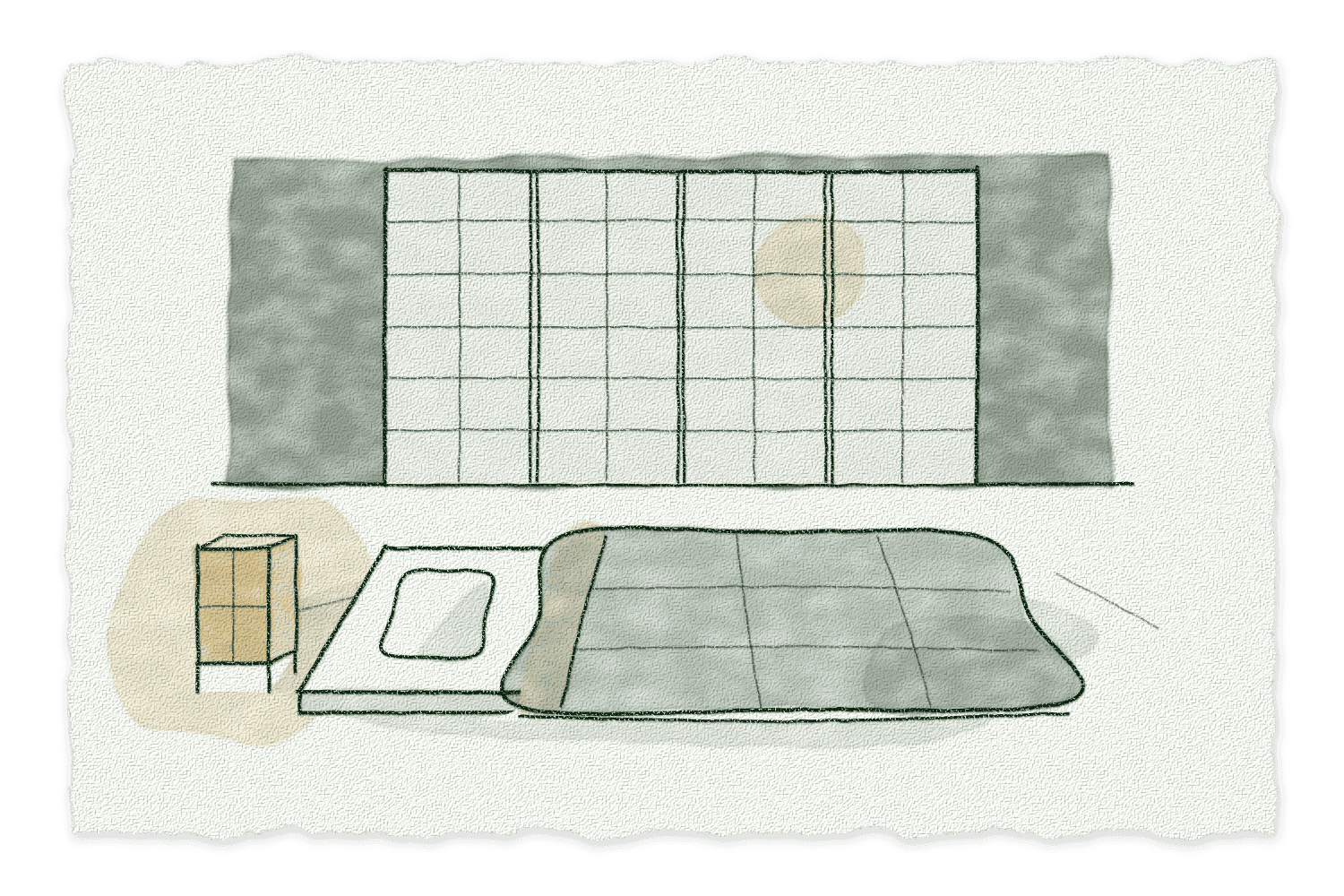
Attendants lay out the futon for you, often while you are at dinner. (Source: Japan Ryokan Association, Comfortable Slumber, checked Nov 2026) (Source: Go! Nagano (official), How to Stay in a Japanese Ryokan, checked Nov 2026)
Many communal baths stay open late and open again early in the morning, with breaks for cleaning. Do not bathe after heavy drinking. (Source: Japan Tourism Agency, ryokan Q&A: Communal bath, checked Nov 2026)
Most ryokan have a curfew, for example at midnight. Some give you a key or keep a night desk. Ask if you plan to be out late. (Source: Japan Tourism Agency, ryokan Q&A: Going outside, checked Nov 2026)
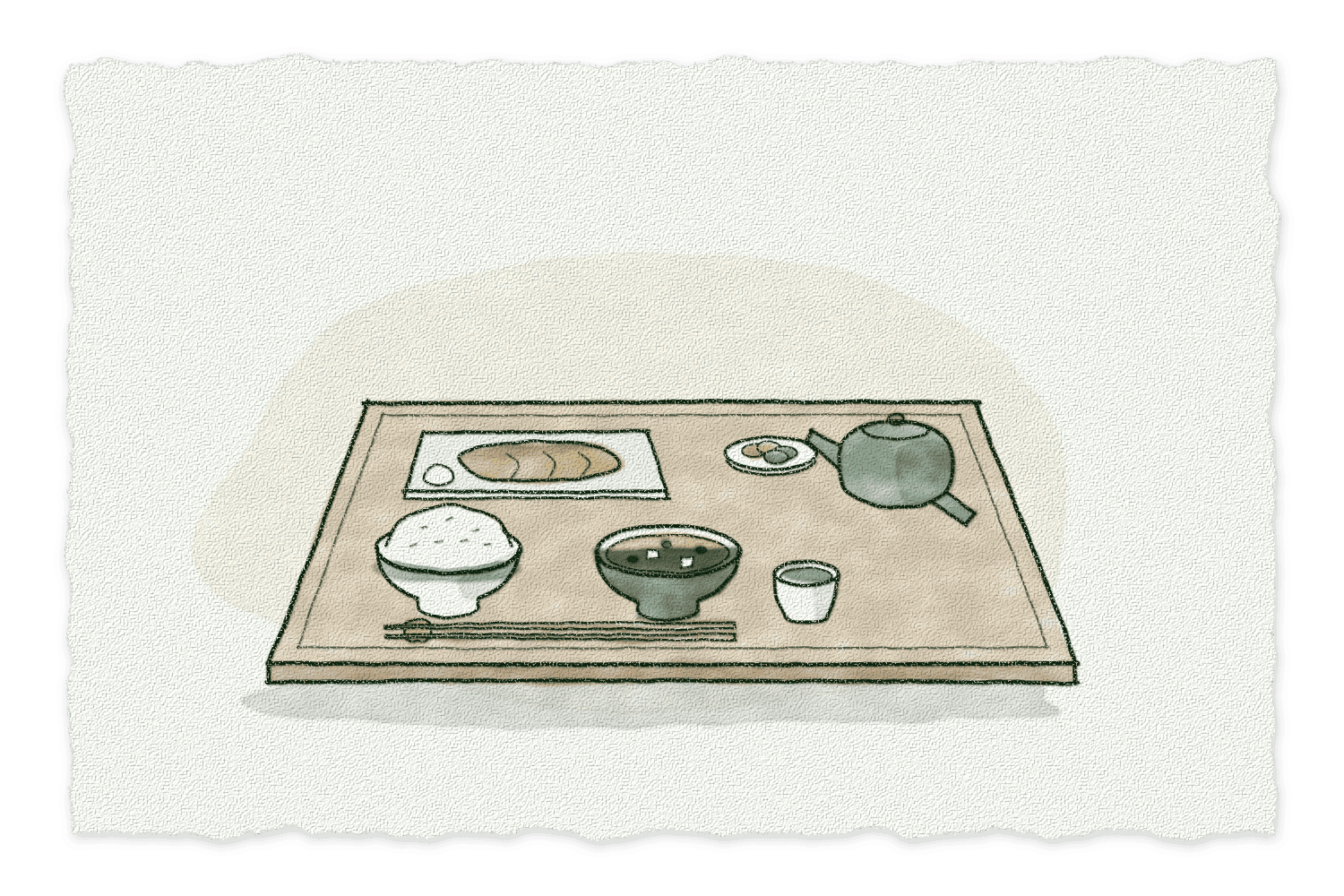
Breakfast is usually Japanese: rice, miso soup, grilled fish, a tofu dish, an egg dish and nori. It is served in your room or a dining room. Ask ahead if you want a Western breakfast. (Source: Japan Ryokan Association, Breakfast, checked Nov 2026)
Step 7
Check-out
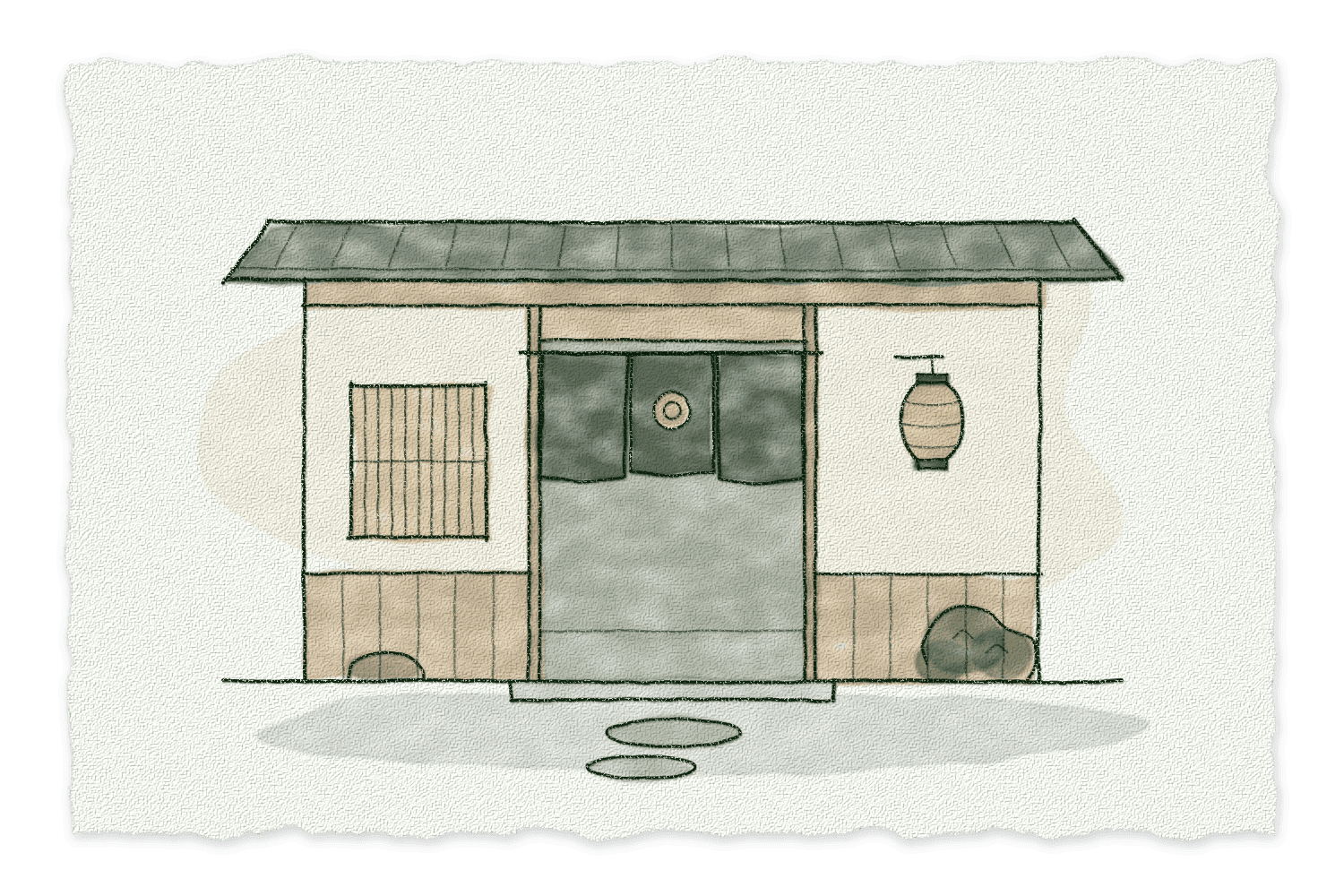
Check-out is usually 10:00 or 11:00. (Source: Japan Ryokan Association, Checking-out, checked Nov 2026) A few inns set it as late as 12:00. (Source: Japan Tourism Agency, ryokan Q&A: Room / Facility, checked Nov 2026)
You pay at check-out unless you prepaid through the inn or a booking site. Check which applies when you book. (Source: Japan Tourism Agency, ryokan Q&A: Pricing, checked Nov 2026)
You do not need to tip. A service charge is part of the room rate. (Source: Japan Ryokan Association, Glossary of Terms (PDF), checked Nov 2026) (Source: JNTO, Japanese Manners and Etiquette, checked Nov 2026) Thank the staff as you leave instead.
Choose your ryokan
Top-rated ryokans across Japan
Ready to book your ryokan?
Check dates, rooms and current rates for ryokans across Japan.