Japan food & sake experiences
The meal is half of a ryokan stay, and the food around it is worth a day of its own. Start with kaiseki at the inn, then book a market walk, a cooking class or a sake brewery tour in the town you are staying in.
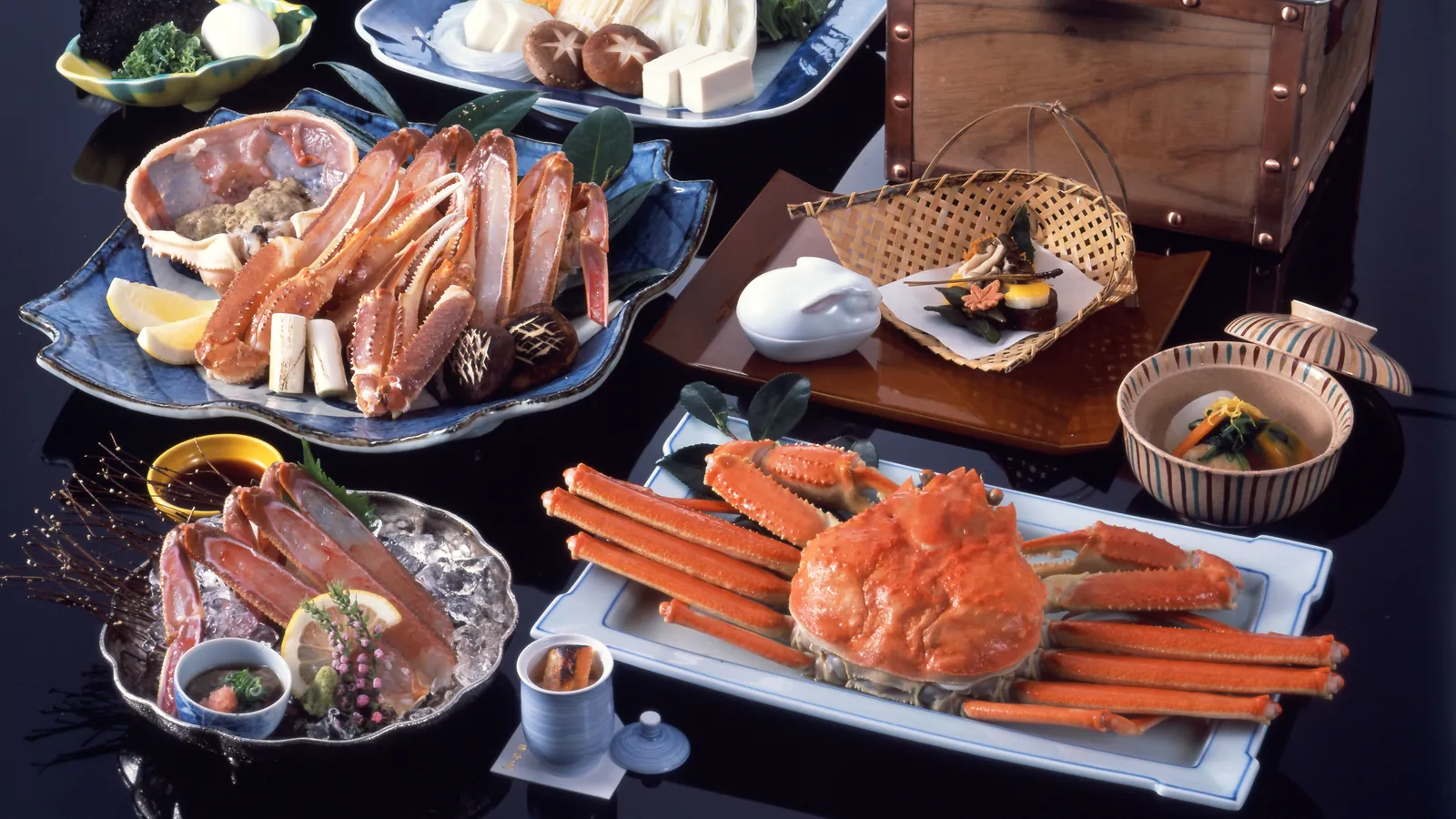
Photo: Nishimuraya Kinosaki Onsen / Wikimedia Commons, CC BY 2.0, cropped and resized
Experience guides
Food walks and cooking classes
- Kyoto food tours and cooking classesNishiki Market tastings, an obanzai home class, ramen and sushi classes.Read the guide
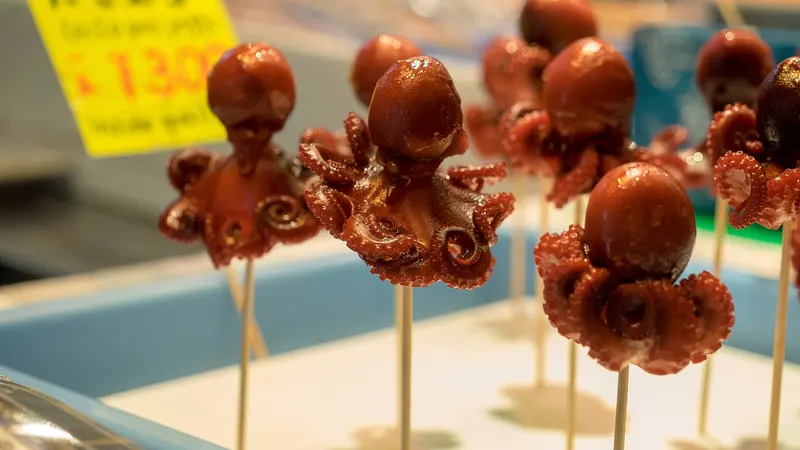
Photo: Ajay Suresh / Wikimedia Commons, CC BY 2.0, cropped and resized
- Osaka street food toursKuromon Market, Dotonbori and Shinsekai on foot, with a guide.Read the guide
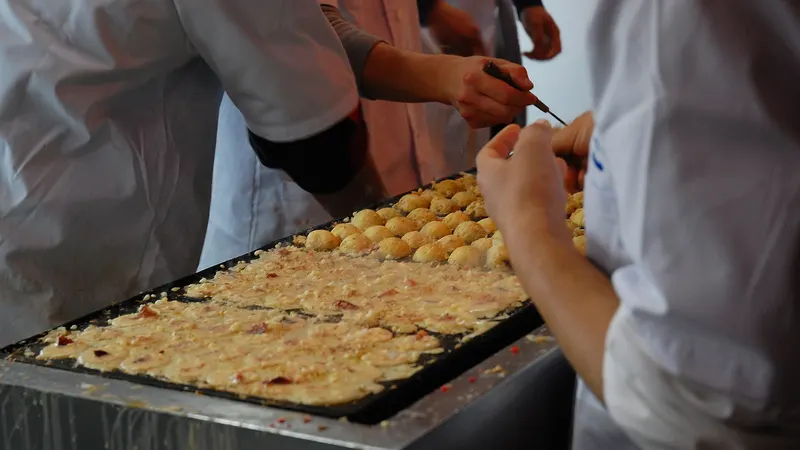
Photo: chou_i_ci / Wikimedia Commons, CC BY 2.0, cropped and resized
- Tsukiji and Toyosu market toursThe outer market’s food stalls and the tuna auction at Toyosu.Read the guide
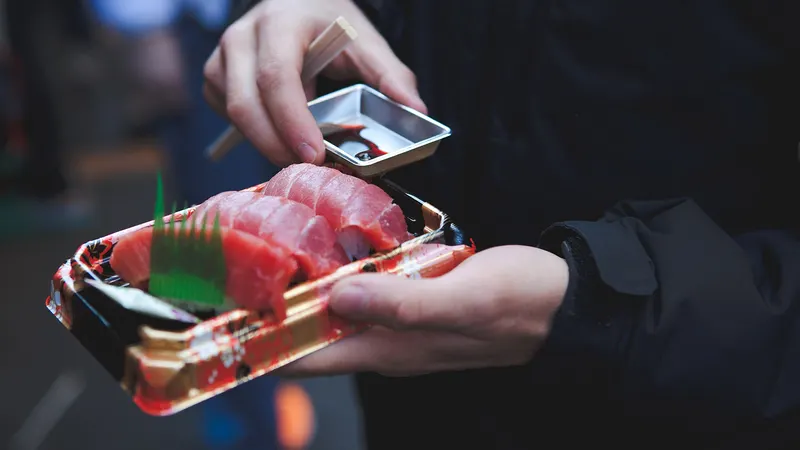
Photo: Jonathan Forage / Wikimedia Commons, CC0, cropped and resized
Sake breweries
- Sake brewery tours in Fushimi, Nada, Saijo and NiigataFour brewing towns, guided tastings, and what to know before you drink.Read the guide
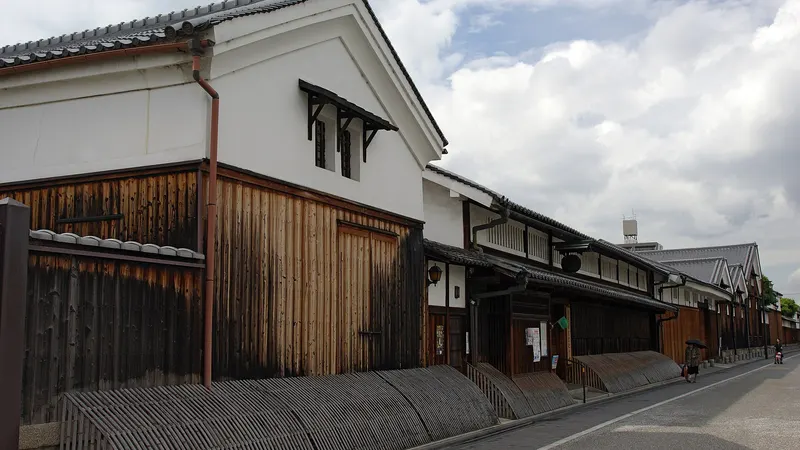
Photo: 663highland / Wikimedia Commons, CC BY 2.5, cropped and resized
Drinking sake responsibly
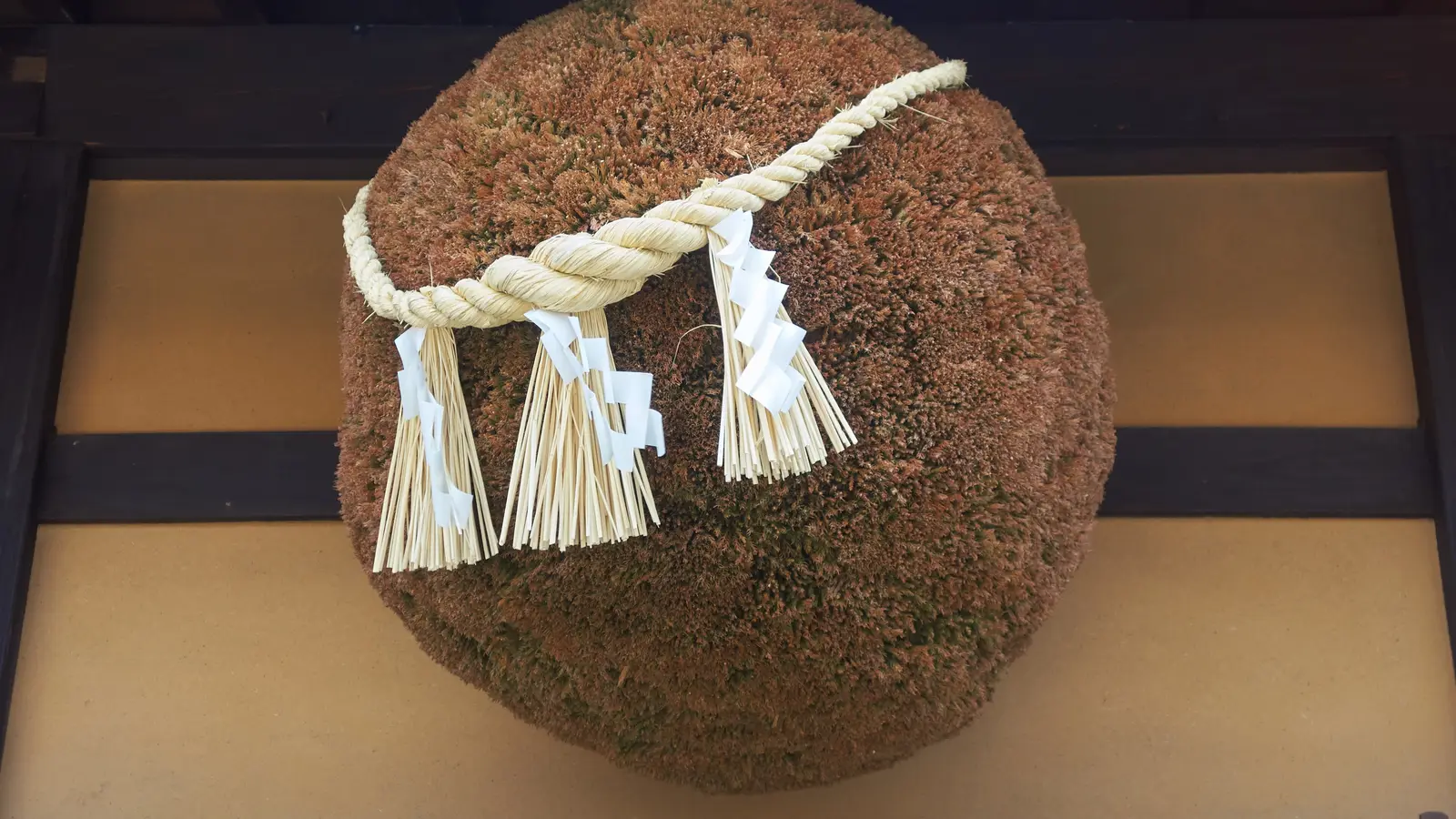
A sugidama, the cedar ball a brewery hangs outside, in Takayama.
Photo: Celuici / Wikimedia Commons, CC BY-SA 3.0, cropped and resized
The legal drinking age in Japan is 20, and brewery tours ask younger guests to stick to soft drinks. (Source: e-Gov Law Search: Act on the Prohibition of Drinking by Persons Under 20 (Article 1), checked Nov 2026) Drinking and driving is strictly prohibited, and the same goes for cycling. (Source: GO TOKYO (Tokyo’s official travel guide): Local laws, checked Nov 2026) Tastings add up across a day of breweries; our sake brewery guide has the details for each town.
Kaiseki and meals at a ryokan
Kaiseki is the multi-course dinner served at many ryokans. It belongs to washoku, Japanese food culture, which UNESCO added to its list of intangible cultural heritage in 2013. (Source: UNESCO: Washoku, traditional dietary cultures of the Japanese (inscribed 2013), checked Nov 2026) Our kaiseki dining guide covers the courses and the manners.
These ryokans state on their own sites that dinner is kaiseki.
Shojin ryori, temple food
Shojin ryori is the vegetarian cooking of Zen Buddhism, made from vegetables, herbs and wild plants without meat or fish. It came to Japan from China with Zen in the thirteenth century. At Tenryu-ji in Arashiyama, the temple’s own restaurant, Shigetsu, serves it from 11:00 to 14:00 and closes on Thursdays. Set menus ran from ¥3,800 to ¥9,000, plus the ¥500 garden admission, and each needs a reservation two or three days ahead. (Source: Tenryu-ji (official site): Shigetsu, the temple’s Zen vegetarian restaurant, checked Nov 2026)
It is the easiest formal Japanese meal for vegetarians to plan around. Ask the temple about allergies when you reserve. Temple lodgings on Koyasan serve it at dinner; our temple stays guide covers them.
Regional and seasonal food
Japan’s food changes by region and by month. Our seasonal guides cover the dishes worth planning a stay around and the inns that serve them.
 Snow crab ryokansCrab season on the Sea of Japan coast, Kinosaki included.
Photo: さかおり / Wikimedia Commons, CC BY-SA 4.0, cropped and resized
 Fugu ryokansPufferfish courses in winter.
Photo: Qwert1234 / Wikimedia Commons, CC BY-SA 3.0, cropped and resized
 Kawadoko river diningSummer dining platforms over Kyoto’s rivers.
Photo: 663highland / Wikimedia Commons, CC BY 2.5, cropped and resized
 New Year ryokansOsechi and the New Year table.
Photo: Ocdp / Wikimedia Commons, CC0, cropped and resized
Questions
Is kaiseki included when I book a ryokan?
Only on a plan that includes dinner, so check the plan name before you pay. Our guide to ryokans with meals included lists inns that sell dinner plans.
Can vegetarians eat kaiseki at a ryokan?
Ask the inn before you book, not on arrival; what a kitchen can change varies from inn to inn. Shojin ryori, Zen temple cooking, is made without meat or fish, and Tenryu-ji in Kyoto serves it at its own restaurant, Shigetsu.
What is the legal drinking age in Japan?
Twenty. Japanese law forbids anyone under 20 from drinking alcohol, and sake tours and tasting rooms check this. Driving or cycling after drinking is also prohibited.
How is this different from the blog’s Food & Drink posts?
The blog posts explain things: konbini, ekiben, kissaten, how sake pairs with a ryokan dinner. These guides list experiences you can book, with what each operator says about diets and age, and the ryokans near them.
Sources
Official and primary sources, read in November 2026.