Onsen in Japan
An onsen is a bath fed by water that comes out of the ground at 25°C or warmer, or carries certain minerals.
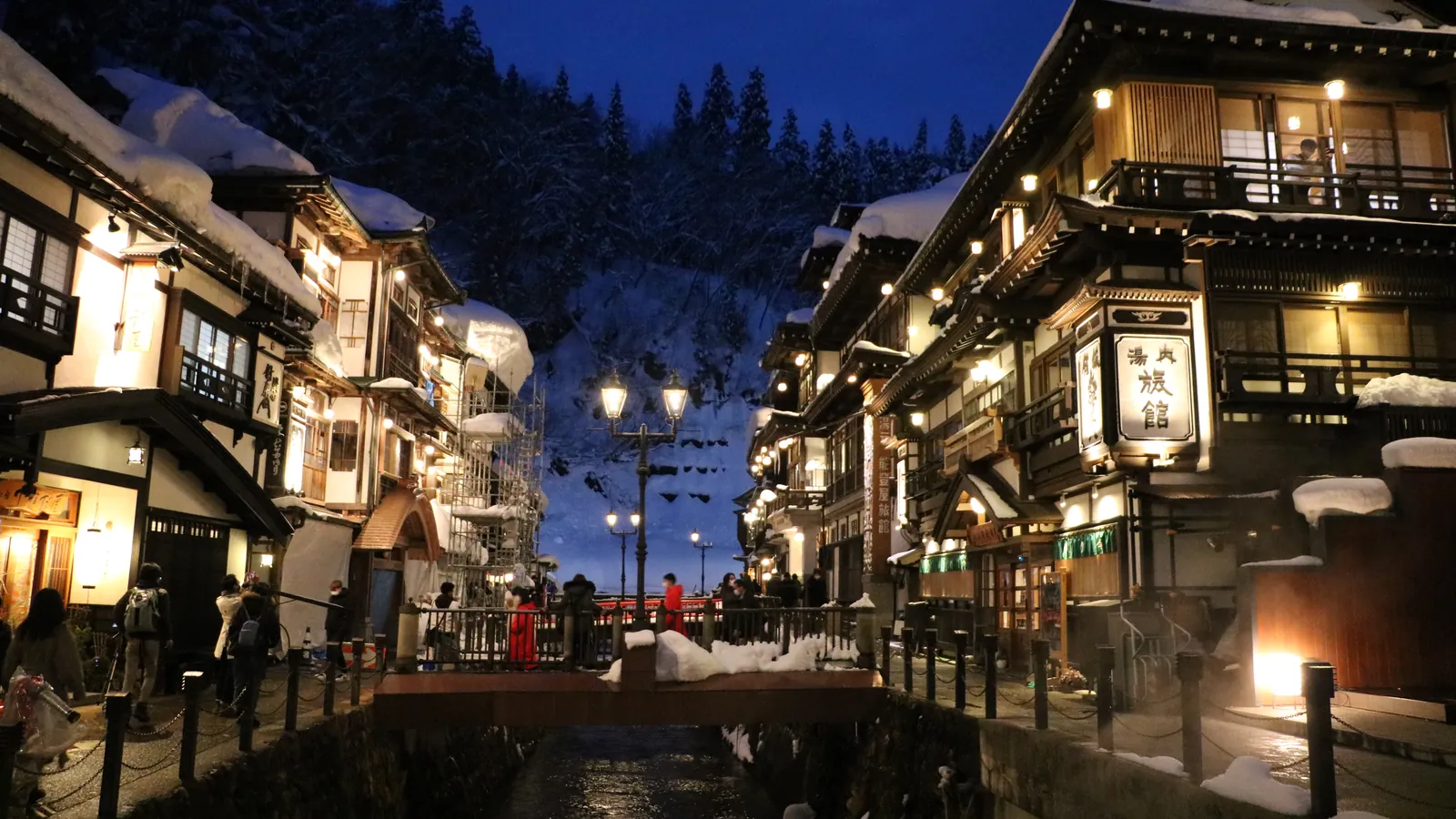
Photo: さかおり / Wikimedia Commons, CC BY-SA 4.0, cropped and resized
You wash first, bathe nude in baths split by gender, and keep your towel out of the water. Kinosaki, Kusatsu, Arima and Beppu all have public baths that let in bathers with tattoos.
Onsen town guides
The public baths of 10 onsen towns: hours, prices, passes, towels, tattoo rules and how to get there.
- Kinosaki Onsen: the public bathsKinosaki has seven public bathhouses, six of them open, all a walk apart and all open to tattoos. A single entry costs ¥800 and a one-day pass ¥1,500; if you stay in town, your inn usually gives you a pass. Most open at 7:00, two at 15:00, and each closes one day a week.Read the guide
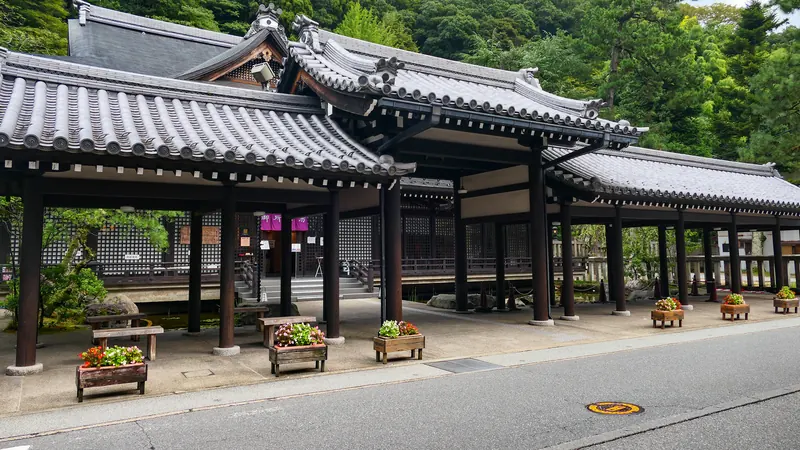
Photo: MaedaAkihiko / Wikimedia Commons, CC0, cropped and resized
- Kusatsu Onsen: the three day bathsKusatsu’s three big day baths are Otaki-no-yu (¥1,200), Goza-no-yu on Yubatake (¥900) and the Sainokawara open-air bath (¥800). A ¥2,100 pass covers one visit to each and never expires. None of the three turns away bathers with tattoos.Read the guide
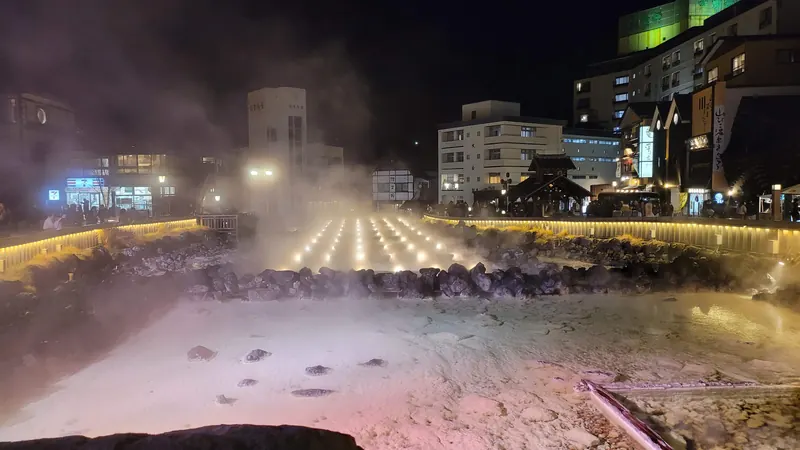
Photo: Aspere / Wikimedia Commons, CC0, cropped and resized
- Arima Onsen: Kin no Yu and Gin no YuArima’s two public baths sit five minutes’ walk from the station: Kin no Yu for the brown, iron-rich kinsen and Gin no Yu for the clear ginsen. Entry is ¥800 and ¥700, less on ordinary weekdays, or ¥1,200 for both, and both welcome bathers with tattoos.Read the guide
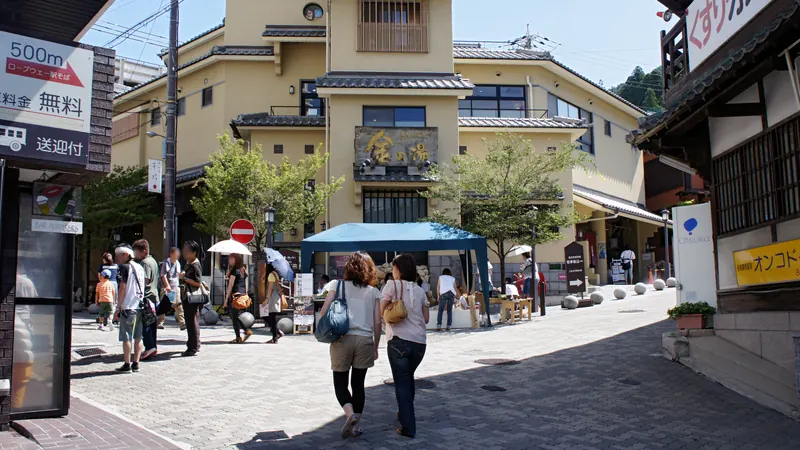
Photo: 663highland / Wikimedia Commons, CC BY 2.5, cropped and resized
- Beppu: Takegawara Onsen and Kannawa Mushi-yuBeppu City runs its own public baths. Takegawara Onsen, ten minutes’ walk from Beppu Station, costs ¥300, or ¥1,500 for its hot sand bath; Kannawa Mushi-yu, an herb-floored steam room, is ¥700. Both are on the city’s list of tattoo-friendly onsen.Read the guide
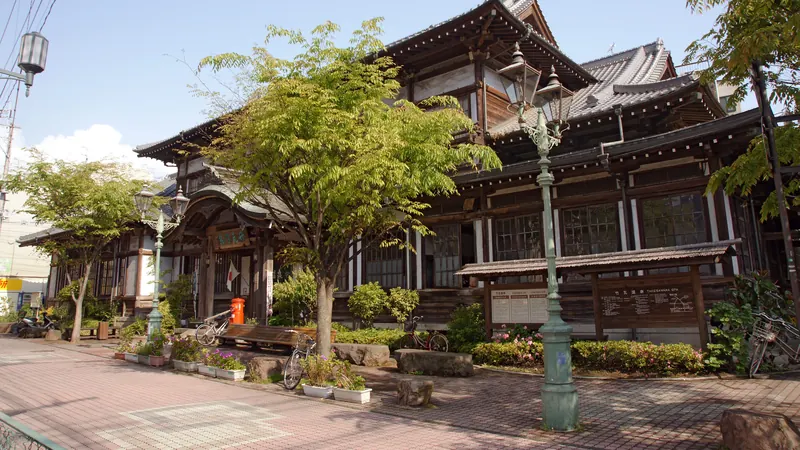
Photo: 663highland / Wikimedia Commons, CC BY 2.5, cropped and resized
- Kurokawa Onsen: bath-hopping on the wooden passIn Kurokawa you bathe in the inns’ open-air baths. The wooden pass (nyuto tegata) costs ¥1,500 and covers three of them, used within six months, between 8:30 and 21:00. A single entry at one inn is about ¥500 to ¥800. Each inn sets its own tattoo rule.Read the guide
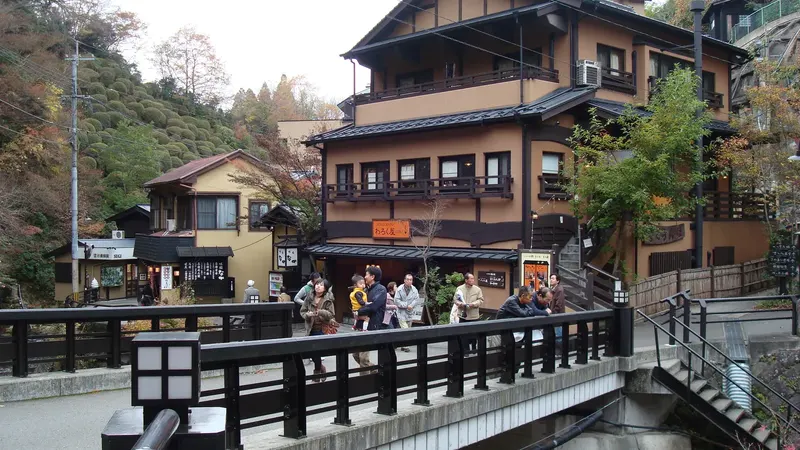
Photo: Tzu-hsun, Hsu / Wikimedia Commons, CC BY-SA 4.0, cropped and resized
- Dogo Onsen: Honkan, Asuka-no-Yu and Tsubaki-no-YuDogo has three public baths a short walk apart. The Honkan, an Important Cultural Property whose repair work ended in December 2024, costs ¥700 for the ground-floor bath; Asuka-no-Yu ¥610; Tsubaki-no-Yu ¥500. A ¥1,440 ticket covers one visit to each over two days. Towels rent for ¥110.Read the guide
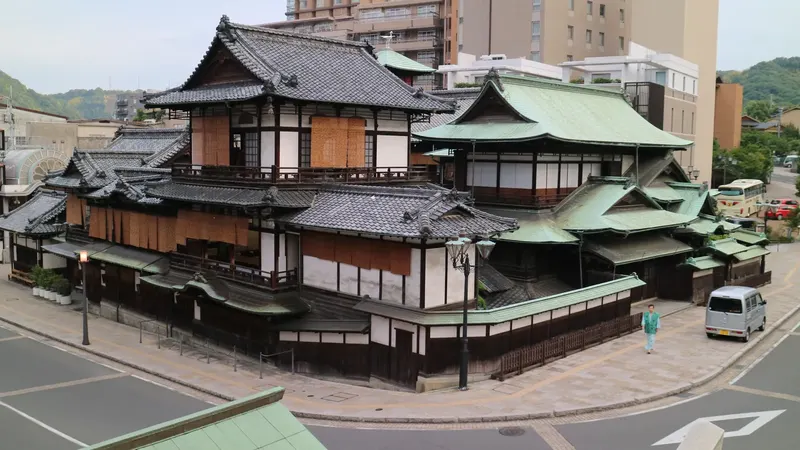
Photo: NevinThompson / Wikimedia Commons, CC BY-SA 4.0, cropped and resized
- Nozawa Onsen: the 13 free bathhousesNozawa’s 13 sotoyu are free, run by local families, and open from 5:00 to 22:00 from April to November and 6:00 to 23:00 from December to March. Bring your own towel and soap; a donation box sits at each door. Furusato no Yu, a larger paid bath, costs ¥700.Read the guide
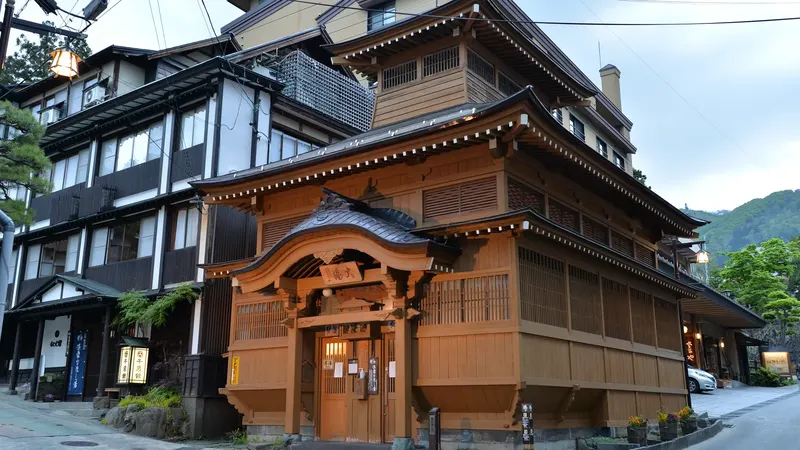
Photo: 小石川人晃 / Wikimedia Commons, CC BY-SA 4.0, cropped and resized
- Yufuin: the city’s public bathsYufu City lists three public baths in Yufuin that are open: Otomaru Onsenkan, the nearest to the station, ¥300; Yunotsubo Onsen, ¥200; and Kuage Yufuin, a bathing hall with a swimsuit area, ¥930 for visitors. Otomaru closes on the third Thursday, Kuage every Thursday.Read the guide
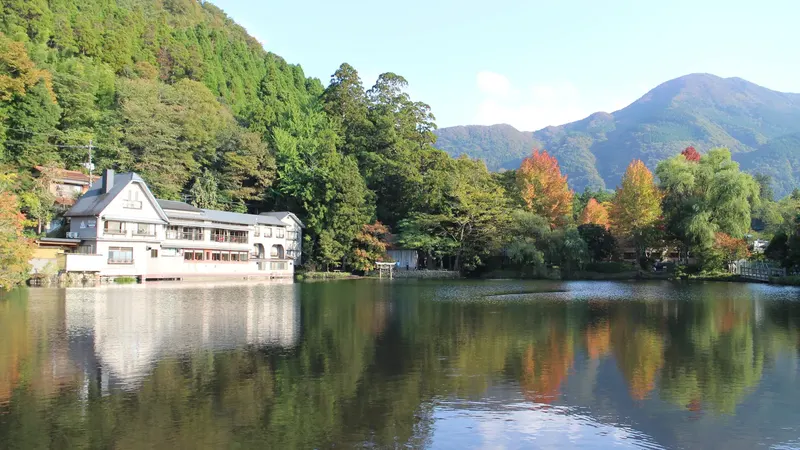
Photo: Suicasmo / Wikimedia Commons, CC BY-SA 4.0, cropped and resized
- Ginzan Onsen: day baths and winter accessGinzan is small: day visitors bathe at Shirogane-yu, ¥500, open 9:00 to 15:00 and closed Wednesdays, or at two inns that take day bathers at midday for ¥1,000. There is no night bathing for day visitors. From 19 December 2026 to 7 March 2027, cars stop at Taisho Roman-kan.Read the guide
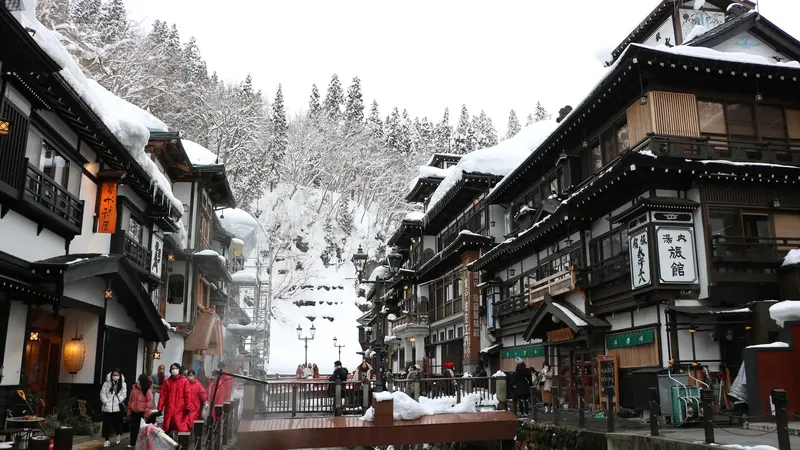
Photo: さかおり / Wikimedia Commons, CC BY-SA 4.0, cropped and resized
- Noboribetsu Onsen: Sagiriyu and day baths at the innsNoboribetsu has one public bathhouse, Yumoto Sagiriyu, ¥550 from 9:00 to 21:00, with two kinds of water and no free towels. Inns take day bathers too: Dai-ichi Takimotokan for ¥2,500 and Noboribetsu Grand Hotel for ¥2,000. From Sapporo it is about 1 hour 10 minutes by limited express to Noboribetsu Station.Read the guide
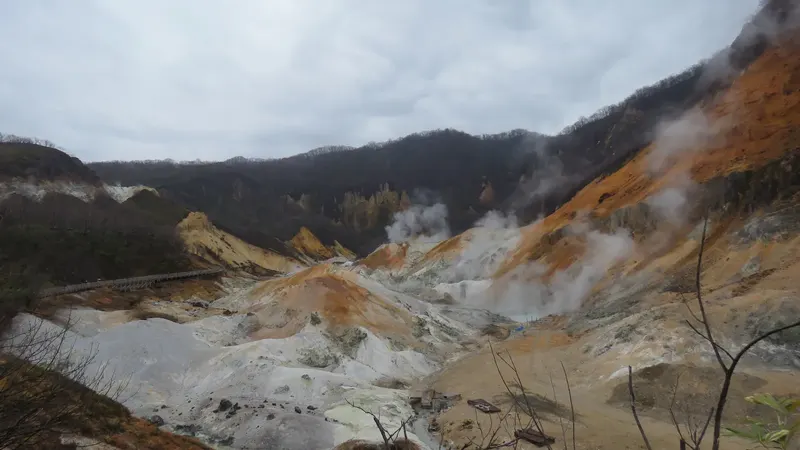
Photo: Calistemon / Wikimedia Commons, CC BY-SA 4.0, cropped and resized
- Onsen near Tokyo, Kyoto and OsakaHot spring towns you can reach from Tokyo, Kyoto and Osaka, with train and bus times from the operators and what a day of bathing costs there, each checked on official pages.
- Onsen towns on a mapThe onsen towns we cover on one map of Japan, filterable by spring type and season, each value with its source.
What counts as an onsen
Japan’s Hot Springs Act of 1948 defines an onsen as water, steam or gas from the ground that is 25°C or warmer when it is drawn, or that carries at least a set amount of one of 19 listed substances, such as iron, sulfur or radon. Source: Ministry of the Environment, Definition of an onsen (温泉の定義), checked November 8, 2026.
Springs that meet a stricter standard are “therapeutic springs” and are named by what is in the water. The Ministry of the Environment sorts them into ten types: simple, chloride, hydrogen carbonate, sulphate, carbon dioxide, ferruginous (iron), acidic, iodine, sulphur and radioactive (radon). The spring type, its analysis and any cautions are usually posted in the changing room. Source: Ministry of the Environment, The ABCs for the Safe and Secure Use of Onsen (2019), checked November 8, 2026.
You can see the difference between types in the towns below. Kinosaki’s public baths all have the same sodium-calcium chloride water; Arima has brown, iron-rich kinsen and clear ginsen; Takegawara Onsen in Beppu gives its men’s and women’s baths different water. Sources: Kinosaki Onsen Tourism Association, Sotoyu (外湯); Arima Onsen Kin no Yu and Gin no Yu, Kin no Yu; Arima Onsen Kin no Yu and Gin no Yu, Gin no Yu; Beppu City, Takegawara Onsen, checked November 8, 2026.
How to bathe
 Undress in the changing room
 Wash before you get in
 Towel out of the water
 Quiet, and no phone
 Drink water
- Undress completely in the changing room. Swimwear stays there too. A small towel can cover you on the way to the bath. Source: JNTO, How to Best Enjoy Japan’s Onsen, checked November 8, 2026.
- Wash before you get in. Sit at a washing station, soap and rinse completely, and take off any make-up. Pour hot water over yourself (kakeyu) before you step into the bath, to get used to the heat. Source: JNTO, How to Best Enjoy Japan’s Onsen, checked November 8, 2026.
- Keep your towel and your hair out of the water. Fold the towel on your head or leave it at the side, and tie up long hair. Sources: JNTO, How to Best Enjoy Japan’s Onsen; Ministry of the Environment, The ABCs for the Safe and Secure Use of Onsen (2019), checked November 8, 2026.
- Speak quietly, don’t swim or splash, and leave your phone outside: photos in the bath are not allowed. Source: JNTO, How to Best Enjoy Japan’s Onsen, checked November 8, 2026.
- Drink water before and after, don’t bathe after drinking alcohol, and get out before you feel light-headed. The Ministry of the Environment suggests 3 to 10 minutes at a time to start. Sources: Ministry of the Environment, The ABCs for the Safe and Secure Use of Onsen (2019); JNTO, How to Best Enjoy Japan’s Onsen, checked November 8, 2026.
Tattoos
Some baths still refuse bathers with tattoos, so check the rule before you go. Where a bath allows small cover stickers, they only work for very small tattoos. A private bath avoids the question entirely. Source: JNTO, How to Best Enjoy Japan’s Onsen, checked November 8, 2026.
All of the public baths in Kinosaki allow tattoos, as do Kusatsu’s three big day baths, Kin no Yu and Gin no Yu in Arima, and Takegawara Onsen and Kannawa Mushi-yu in Beppu. Sources: Visit Kinosaki (Toyooka City), The Mystic Onsen; Kusatsu Santo, Otaki-no-yu FAQ; Visit Kobe, Kin no Yu; Visit Kobe, Gin no Yu; Enjoy Onsen (Beppu City), Tattoo-friendly onsen in Beppu, checked November 8, 2026.
Separate and mixed baths
Changing rooms are always separate, and the vast majority of baths are split into men’s and women’s sides. Kinosaki’s public baths, for example, are all separated by gender and bathed in nude. Sources: JNTO, How to Best Enjoy Japan’s Onsen; Visit Kinosaki (Toyooka City), The Mystic Onsen, checked November 8, 2026.
Where there is mixed bathing it has its own rules. At Sainokawara in Kusatsu the men’s open-air bath is mixed on Friday evenings from 17:30 to 20:00, except on set days; women can rent a bathing wrap for ¥400 or wear a swimsuit, men are lent a wrap free, and the women’s bath stays women-only. Source: Kusatsu Santo, Sainokawara mixed-bathing day, checked November 8, 2026.
Private baths (kashikiri)
A kashikiri-buro is a private bath you take in turns, alone or with your partner or family. JNTO suggests one, or a room with its own open-air bath, if you have a tattoo or would rather not undress in front of others. Source: JNTO, How to Best Enjoy Japan’s Onsen, checked November 8, 2026.
Some public baths rent them too. Otaki-no-yu in Kusatsu has a private bath for ¥2,000 an hour, booked ahead, on top of the entry fee. Source: Kusatsu Santo, Otaki-no-yu visitor information, checked November 8, 2026.
Onsen FAQ
Do you have to be naked in an onsen?
Usually, yes: swimwear stays in the changing room, and a small towel can cover you on the way to the bath but does not go in the water. If that is not for you, book a private bath or a room with its own bath. Source: JNTO, How to Best Enjoy Japan’s Onsen, checked November 8, 2026.
Which onsen towns are best with tattoos?
Kinosaki, where every public bath allows tattoos. Kusatsu’s three big day baths (Otaki-no-yu, Goza-no-yu and Sainokawara) do not turn tattooed bathers away, nor do Kin no Yu and Gin no Yu in Arima or Takegawara Onsen in Beppu. Sources: Visit Kinosaki (Toyooka City), The Mystic Onsen; Kusatsu Santo, Otaki-no-yu FAQ; Visit Kobe, Kin no Yu; Visit Kobe, Gin no Yu; Enjoy Onsen (Beppu City), Tattoo-friendly onsen in Beppu, checked November 8, 2026.
Are Japanese onsen mixed?
Very few. Changing rooms are always separate and nearly all baths are split by gender. Where mixed bathing exists, such as Friday evenings at Sainokawara in Kusatsu, bathing wraps or swimsuits are allowed. Sources: JNTO, How to Best Enjoy Japan’s Onsen; Kusatsu Santo, Sainokawara mixed-bathing day, checked November 8, 2026.
Can I use an onsen without staying the night?
Yes. Kinosaki sells a one-day pass to all its public baths for ¥1,500, Kusatsu a three-bath pass for ¥2,100 with no expiry date, and Beppu’s Takegawara Onsen costs ¥300. Sources: Kinosaki Onsen Tourism Association, Sotoyu (外湯); Kusatsu Santo, Three-bath pass (ちょいな三湯めぐり手形); Beppu City, Takegawara Onsen, checked November 8, 2026.
How long should I stay in the bath?
Start with 3 to 10 minutes at a time, once or twice a day, says the Ministry of the Environment. Drink water before and after, and avoid alcohol before bathing. Source: Ministry of the Environment, The ABCs for the Safe and Secure Use of Onsen (2019), checked November 8, 2026.
More on Ryokan Finder
Baths for you alone
- Tattoo-friendly ryokansInns whose own sites say tattooed guests can bathe, with each rule and its source.
- Ryokans with private onsenInns with a bath in the room or one you can book.
- Hakone ryokans with a private onsenHakone inns compared on in-room baths and private baths, from their own sites.
- Kyoto ryokan with a private onsenThe few Kyoto inns with hot spring water in a room or a private bath, and the rest.
- Kinosaki ryokan with a private onsenKinosaki inns with a kashikiri bath: how many, the charge and whether you book.
More onsen towns
- HakoneRyokans in Hakone, the closest big onsen area to Tokyo.
- Jozankei and NoboribetsuOnsen inns near Sapporo, picked for the Snow Festival.
- GifuRyokans in Gifu Prefecture.
- YamagataRyokans in Yamagata Prefecture.
- Ryokans in the top onsen townsTwo inns at most from each of Japan’s best-known onsen towns.
- Winter onsen ryokansInns for snow and hot water.
Read more
Inns in other onsen towns
- Gero Onsen: Gero Onsen Suimeikan, Miyako Gero Hot Spring
- Jozankei Onsen: Jozankei Daiichi Hotel Suizantei
Sources
Every rule, price and time above is as the official page gave it on the date shown. Where a page does not state something, we leave it out.
- Ministry of the Environment, Definition of an onsen (温泉の定義), checked November 8, 2026
- Ministry of the Environment, The ABCs for the Safe and Secure Use of Onsen (2019), checked November 8, 2026
- Kinosaki Onsen Tourism Association, Sotoyu (外湯), checked November 8, 2026
- Arima Onsen Kin no Yu and Gin no Yu, Kin no Yu, checked November 8, 2026
- Arima Onsen Kin no Yu and Gin no Yu, Gin no Yu, checked November 8, 2026
- Beppu City, Takegawara Onsen, checked November 8, 2026
- JNTO, How to Best Enjoy Japan’s Onsen, checked November 8, 2026
- Visit Kinosaki (Toyooka City), The Mystic Onsen, checked November 8, 2026
- Kusatsu Santo, Otaki-no-yu FAQ, checked November 8, 2026
- Visit Kobe, Kin no Yu, checked November 8, 2026
- Visit Kobe, Gin no Yu, checked November 8, 2026
- Enjoy Onsen (Beppu City), Tattoo-friendly onsen in Beppu, checked November 8, 2026
- Kusatsu Santo, Sainokawara mixed-bathing day, checked November 8, 2026
- Kusatsu Santo, Otaki-no-yu visitor information, checked November 8, 2026
- Kusatsu Santo, Three-bath pass (ちょいな三湯めぐり手形), checked November 8, 2026